
Understanding ISAs and pensions in 2025
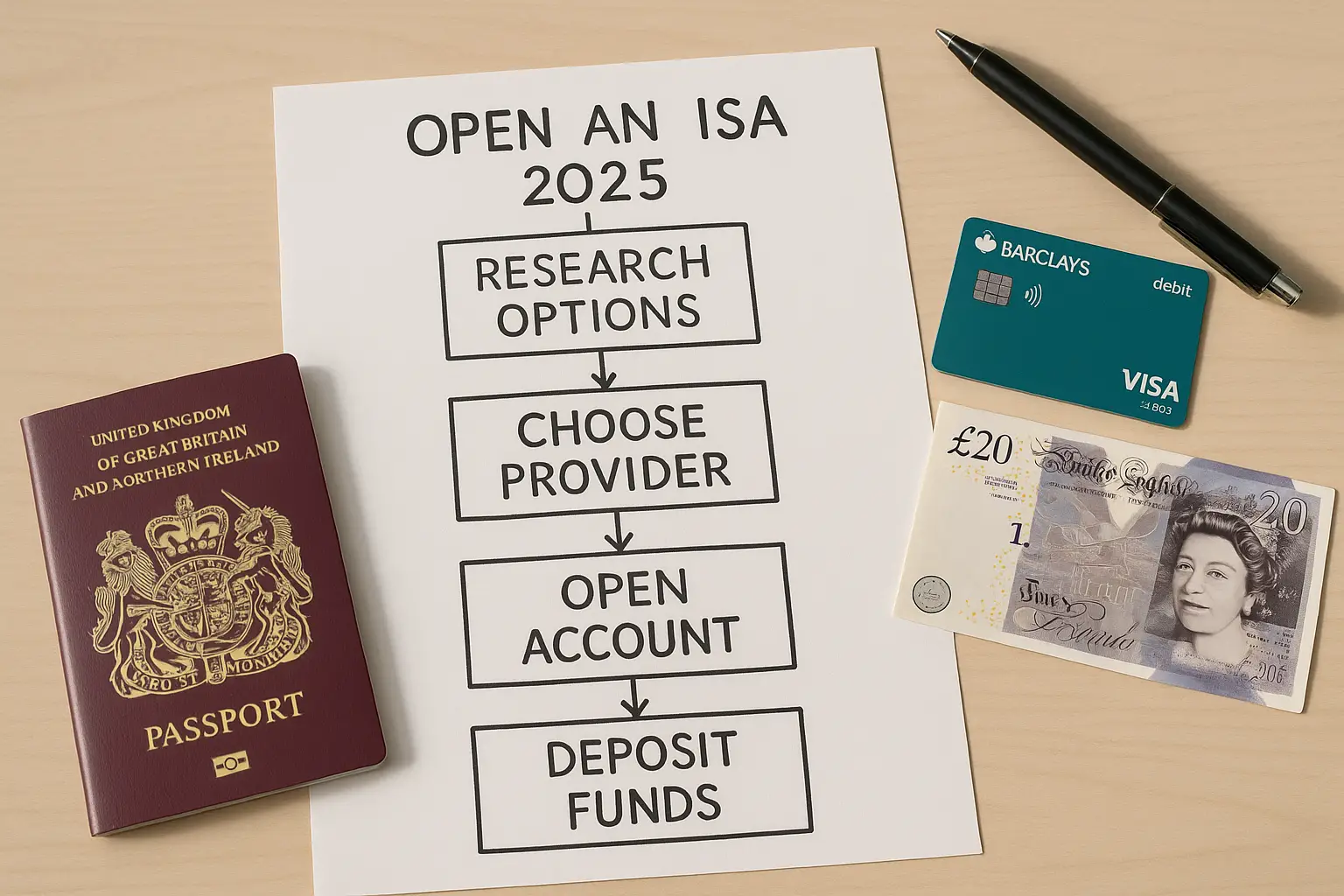
When comparing ISA vs pension 2025 options for retirement savings, the choice depends on your tax situation, access needs, and long-term goals. Individual Savings Accounts (ISAs) offer tax-free growth with flexible withdrawals, while pensions provide upfront tax relief but restrict access until retirement age. For UK savers in 2025, understanding these vehicles is essential to build an efficient retirement pot.
What is an ISA?
An ISA is a tax-efficient savings or investment account designed for UK residents. It allows you to shelter money from income tax and capital gains tax on earnings. In 2025, popular types include cash ISAs for low-risk saving and stocks and shares ISAs for potential higher returns through investments.
What is a pension?
A pension is a long-term savings plan for retirement, often including workplace schemes or Self-Invested Personal Pensions (SIPPs). Contributions receive tax relief from HMRC, boosting your savings instantly, but funds are typically locked until age 55. Employer contributions can further enhance workplace pensions.
Key differences overview
The core differences lie in tax treatment, access, and inheritance. ISAs provide full tax freedom on all growth and withdrawals, ideal for flexibility, whereas pensions offer relief on contributions but tax 75% of withdrawals. For pension vs ISA for retirement planning, pensions suit those seeking employer matches, while ISAs appeal to those needing earlier access.
Tax benefits comparison
ISAs and pensions both shield retirement savings from taxes, but pensions generally offer more upfront advantages for higher earners in 2025. ISAs provide tax-free growth and withdrawals, maximising net returns over time. Pensions, however, grant immediate tax relief, effectively increasing your contribution—for every £80 you pay, the government adds £20 for basic-rate taxpayers.
ISA tax advantages
Under ISA tax benefits UK 2025 rules, all interest, dividends, and gains grow tax-free, with no tax on withdrawals. This makes them straightforward for long-term saving without HMRC interference. Unlike pensions, ISAs avoid any tax on inheritance, passing fully to beneficiaries.
Pension tax relief details
Pension tax relief 2025 works by reclaiming income tax on contributions at your marginal rate—20% for basic-rate, 40% for higher-rate, and 45% for additional-rate taxpayers. Growth inside the pension remains tax-free, and you can withdraw 25% as a tax-free lump sum. This relief can significantly amplify savings, especially for salaried workers.
Impact on higher earners
Higher earners benefit most from pension tax relief, reclaiming up to 45% on contributions, far outpacing ISA’s post-contribution tax shield. For example, a £10,000 pension contribution could net £15,000 in the pot after relief, versus £10,000 in an ISA. However, ISAs prevent any future tax on income in retirement, balancing the scales for flexible planning. For more on this, explore detailed breakdowns from Unbiased.co.uk.
| Feature | ISA | Pension |
|---|---|---|
| Annual Allowance | £20,000 | £60,000 (incl. employer) |
| Tax on Contributions | From taxed income | Relief at 20-45% |
| Tax on Growth | None | None |
| Tax on Withdrawals | None | 75% taxable (25% lump sum free) |
| Access Age | Any time | Age 55+ |
Contribution limits and access rules
In 2025, ISA vs pension 2025 limits highlight pensions’ higher caps but stricter access. ISAs allow £20,000 annually with immediate withdrawals, suiting those needing liquidity. Pensions cap at £60,000 including employer input, locked until later life for tax perks.
2025 ISA allowances
The ISA allowance 2025 stands at £20,000 for the 2025/26 tax year, covering cash, stocks and shares, or Lifetime ISAs. You can split this across types, but unused allowance doesn’t carry over. For details on ISA allowance 2025, see our full guide.
Pension contribution caps
Pension contribution limits UK 2025 remain at £60,000 annual allowance, incorporating employer and personal inputs, with no lifetime cap reinstated post-2024 changes. Excess contributions may incur tax charges. Check Vanguard Investor UK for updates.
Withdrawal penalties and flexibility
ISAs offer penalty-free access anytime, ideal for emergencies. Pensions impose 55% charges on pre-55 withdrawals, though flexible drawdown from 55 applies. This trade-off favours pensions for committed retirement savers.
Tip: Maximise both for hybrid savings
Consider filling your pension first for tax relief, then topping up an ISA for flexibility. This balances security and access in your retirement strategy.
Pros and cons for retirement planning
For pension vs ISA for retirement, pensions edge out for tax efficiency and employer boosts, potentially growing your pot faster. ISAs shine in flexibility and inheritance. The best approach often combines both for diversified savings.
When to choose an ISA
Opt for an ISA if you value withdrawal freedom or expect low retirement tax rates. They suit self-employed savers without employer pensions. Projections show ISAs could build a £89,000 pot over 20 years at 8% return with £150 monthly contributions, per Rob Moore on X.
When pensions excel
Pensions are superior for higher earners leveraging tax relief and employer matches. The 25% tax-free lump sum provides retirement income security. They integrate well with state pensions for comprehensive planning.
Using both effectively
A hybrid strategy—pensions for growth, ISAs for liquidity—optimises ISA vs pension 2025 benefits. Prioritise pensions up to allowance, then ISAs. For broader best ISA 2025 options, visit our pillar guide.
Lifetime ISA vs traditional pension
Lifetime ISA vs pension 2025 appeals to younger savers, blending ISA flexibility with a government bonus. Traditional pensions offer higher limits but less access. Evaluate based on your age and goals for retirement suitability.
LISA government bonus
The Lifetime ISA (LISA) gives a 25% bonus on up to £4,000 yearly contributions, adding £1,000 government top-up until age 50. This enhances retirement or home-buying savings. Withdrawals for other purposes incur 25% penalties, per AJ Bell.
Suitability for younger savers
Under-40s benefit from LISA’s bonus alongside pension relief, accelerating early savings. It complements workplace pensions for mid-career builds. However, assess if penalties align with your timeline.
Risks and restrictions
LISAs risk penalties for non-qualifying use, while pensions face market volatility in SIPPs. Both require diversified investments. Inherit ISAs tax-free, but pensions may attract 55% IHT unless to a spouse, as noted by MoneyWeek.
Frequently asked questions
What is the difference between an ISA and a pension?
ISAs allow tax-free savings with flexible access at any time, suitable for various goals including retirement. Pensions provide upfront tax relief on contributions and tax-free growth, but withdrawals are restricted until age 55 and mostly taxable. The key distinction in ISA vs pension 2025 lies in flexibility versus immediate tax boosts, making ISAs better for short-term needs and pensions for long-term retirement security. Consider your age and income when choosing.
Can I have both an ISA and a pension?
Yes, you can contribute to both simultaneously, maximising tax advantages from each. Many UK savers use pensions for employer-matched growth and ISAs for additional flexible pots. This hybrid approach in pension vs ISA for retirement diversifies risks and enhances overall savings potential. Always check annual allowances to avoid over-contributions.
Which is better for retirement: ISA or pension?
Pensions often prove better for retirement due to tax relief and higher limits, potentially growing your pot more efficiently over decades. ISAs offer superior flexibility and full tax-free withdrawals, ideal if you anticipate needing funds pre-55. In ISA vs pension 2025 comparisons, the choice hinges on your tax bracket and lifestyle—higher earners favour pensions, while self-employed may prefer ISAs. A financial advisor can tailor this to your circumstances.
What are the ISA limits for 2025?
The total ISA allowance 2025 is £20,000, unchanged from prior years, applicable across cash, stocks and shares, and innovative finance ISAs. You cannot carry over unused allowance, so plan contributions early in the tax year. For Lifetime ISAs, the limit is £4,000 within this total, unlocking bonuses. These limits support steady retirement building without excess tax.
How does tax relief work on pensions in 2025?
In 2025, pension tax relief adds 20% for basic-rate taxpayers automatically, with higher-rate reclaim via self-assessment up to 40% or 45%. This means a £100 contribution costs £80 net for basic-rate payers, boosting savings instantly. Relief applies up to the £60,000 annual allowance, making it a powerful tool for retirement. Verify eligibility through HMRC for accurate claims.
Lifetime ISA vs pension 2025: which for young savers?
Lifetime ISAs suit under-50s with their 25% bonus on contributions, complementing pensions’ relief for accelerated growth. Pensions allow larger inputs and employer contributions, better for stable income earners. In lifetime ISA vs pension 2025, young savers might split funds—LISA for bonuses, pension for scale—but weigh withdrawal penalties. This strategy addresses early retirement planning needs effectively.
This article is for informational purposes only and not financial advice. Consult a qualified advisor for personalised guidance.