

Best savings accounts UK 2025: top picks for high interest
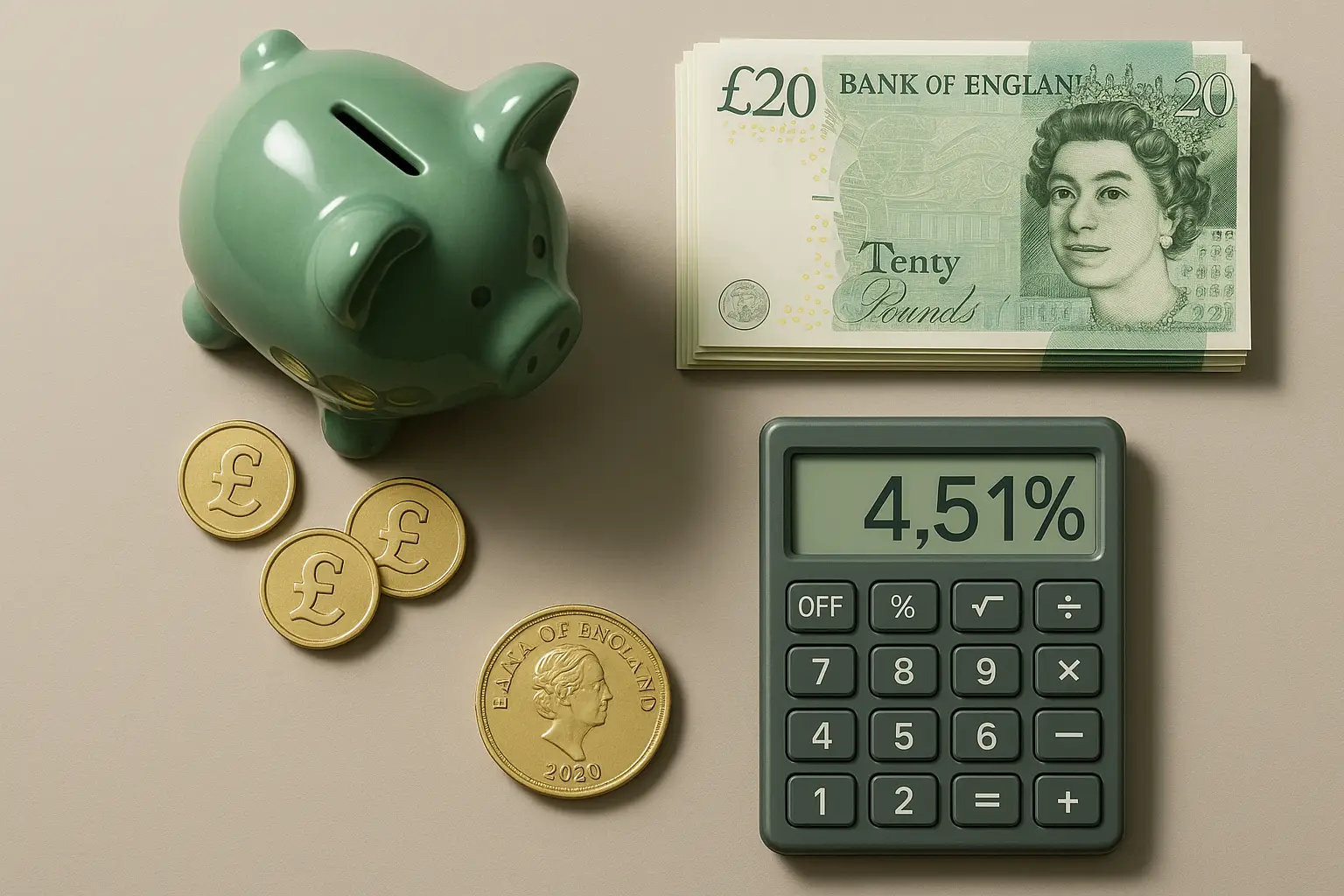
Finding the best savings account in 2025 means prioritising high interest rates while considering flexibility, safety, and your personal circumstances. With the Bank of England base rate at 4% as of November 2025, top easy access savings accounts offer up to 4.51% AER (annual equivalent rate, which shows the true return including compounding). This guide covers the best savings account options for UK savers, from easy access to fixed rate bonds, helping you maximise earnings while staying FSCS-protected up to £85,000 per person per institution.
Rates can change quickly, so always check the latest figures. We draw on expert sources like MoneySavingExpert and MoneyFactsCompare for up-to-date insights. For tax-free alternatives, consider cash ISAs, but here we focus on standard savings accounts suitable for various needs, including families and businesses.
Top easy access savings accounts
The best easy access savings account allows withdrawals anytime without penalty, ideal for those needing liquidity. As of November 2025, the highest rates reach 4.51% AER, beating inflation and providing steady growth for emergency funds or short-term savings.
Highest rates November 2025
Current top performers include accounts from online providers offering competitive yields. For instance, the best instant access savings account can deliver up to 4.51% AER on balances over £1, making it a strong choice for the best high interest savings account in the UK.
| Provider | AER (%) | Minimum Deposit | Withdrawal Limits |
|---|---|---|---|
| Chip | 4.51 | £1 | Unlimited |
| Plum | 4.50 | £0.01 | Unlimited |
| Chase (JP Morgan) | 4.50 | £0 | Unlimited |
| Sainsbury’s Bank | 4.48 | £0 | Unlimited |
| Nationwide | 4.40 | £1 | Limited to 3 withdrawals/month |
Data sourced from MoneySavingExpert’s best savings accounts guide, accessed 6 November 2025. These rates apply to FSCS-protected accounts, ensuring your money is safe.
Provider comparisons
When choosing the best online savings account UK, compare not just rates but also app usability and customer service. High street banks like HSBC offer solid easy access options around 4%, but online challengers like Chip often edge ahead with higher yields and no minimums. For the best bank for savings account, Nationwide stands out for its branch network alongside competitive rates.
Eligibility and limits
Most accounts require UK residency and a basic bank account. Variable rates like these can drop if the base rate falls, so monitor changes. The best easy access savings account UK typically has no lock-in, but some limit withdrawals to encourage saving.
Tip: Use a savings platform to track the best savings account rates across providers, as recommended by experts like Martin Lewis. This can help you switch easily for better returns.
Best fixed rate savings accounts
Fixed rate savings accounts lock your money for a set term in exchange for guaranteed interest, suiting those who can commit funds. Top one-year options yield up to 4.47% AER as of November 2025, providing stability amid potential rate cuts.
1-year vs longer terms
For short-term savers, a one-year fixed savings account at 4.47% outperforms easy access. Longer terms, like two years at 4.20%, offer slightly lower rates but protect against declines. The best fixed rate savings account depends on your timeline—shorter for flexibility, longer for security.
Lock-in pros and cons
Pros include predictable earnings and often higher rates than variable accounts. Cons: penalties for early withdrawal and opportunity cost if rates rise. Always check minimum deposits, starting from £500 for many providers.
Tax implications
Interest is taxable above your personal savings allowance (£1,000 for basic-rate taxpayers, £500 for higher-rate). For example, on £10,000 at 4.47%, you’d earn £447, potentially tax-free within the allowance. See Which?’s guide on savings rates for more on tax rules.
Regular and monthly savings options
Regular savings accounts reward consistent deposits with top rates up to 7.5% AER, perfect for building habits. These often cap monthly contributions at £200-£500, with bonuses for sticking to rules.
Up to 7.5% yields
The best regular savings account, like those from First Direct or Santander, can hit 7.5% for 12 months. This far exceeds standard rates, but only for limited amounts—ideal for the best monthly savings account strategy.
Deposit rules
Expect penalties like rate drops for missing or exceeding deposits. Withdrawals may close the account or forfeit interest. Check MoneySavingExpert’s regular savers overview for eligibility, often requiring a current account with the provider.
Best for consistent savers
If you can deposit monthly without fail, this is the best interest savings account for disciplined users. Compound monthly interest boosts growth, but avoid if you need access.
Children’s and joint savings accounts
Family-focused accounts help build future security, with kids’ options offering up to 5% AER tax-free for parents. Joint accounts simplify shared saving for couples.
Top kids’ accounts
The best child savings account UK, per Martin Lewis, includes the Halifax Kids’ Saver at 5.5% variable (for under-16s). These grow nest eggs with minimal risk.
| Account Name | Rate (AER %) | Age Limits | Parent Access |
|---|---|---|---|
| Halifax Kids’ Saver | 5.50 (variable) | 0-15 | Full control |
| NatWest Children’s Savings | 2.50 | 0-17 | Joint operation |
| Barclays Children’s | 3.00 | 0-17 | Guardian management |
Based on data from Which? and MSE, accessed November 2025. Rates may vary; focus on long-term compounding.
Joint ownership benefits
The best joint savings account UK allows shared access, doubling FSCS protection to £170,000. Useful for couples pooling funds without tax complications.
Long-term growth tips
Start early for compound interest magic. Avoid withdrawals to maximise the best kids savings account potential.
Business and niche savings accounts
SMEs need tailored accounts with higher limits and easy access. Top business rates mirror personal ones but include perks like unlimited transfers.
SME provider picks
The best business savings account from Starling Bank offers 4.25% AER with no fees. For high street, Santander’s business option suits established firms.
High street vs online
Online banks like Metro provide better rates (up to 4.5%), while Nationwide offers branch support. Choose based on your business size—online for agility, high street for advice.
Safety and protection
All UK savings are FSCS-protected up to £85,000. Verify per institution via the Financial Services Compensation Scheme site.
In conclusion, the best savings account for you balances rate, access, and risk. Switch providers annually for optimal yields—use comparison tools from MoneyFactsCompare. Remember, this is general guidance; consult a financial advisor for personalised advice. Rates as of November 2025 and subject to change.
Frequently asked questions
What is the best easy access savings account UK?
The best easy access savings account UK currently offers up to 4.51% AER from providers like Chip, allowing unlimited withdrawals without notice. This suits those prioritising flexibility over slightly higher fixed rates, especially with the base rate at 4%. Always confirm eligibility and FSCS coverage before opening, as rates can fluctuate based on economic changes.
Which bank has the highest savings interest rate?
As of November 2025, online banks like Plum and Chase lead with 4.50% AER on easy access accounts, edging out high street options from HSBC or Barclays at around 4%. For fixed terms, building societies often top the list at 4.47%. Factors like minimum balance and withdrawal rules influence the overall best, so compare using trusted sites for the latest.
What is the best savings account for children?
The best savings account for children is the Halifax Kids’ Saver at 5.5% variable AER, designed for under-16s with parental oversight. It builds good saving habits while offering competitive rates tax-free for parents under the allowance. For longer horizons, consider regular deposits to leverage compounding, but avoid accounts with high minimums unsuitable for small gifts.
How much interest can I earn on savings in 2025?
In 2025, you could earn up to £451 on £10,000 in a top easy access account at 4.51% AER, or over £750 in a regular saver at 7.5% with £200 monthly deposits. Actual returns depend on your tax band and account type—basic-rate taxpayers get £1,000 tax-free interest. With expected base rate cuts, locking in fixed rates now could secure better yields throughout the year.
What is the personal savings allowance?
The personal savings allowance lets basic-rate taxpayers earn £1,000 in interest tax-free annually, rising to £500 for higher-rate and none for additional-rate. It applies to non-ISA savings, so exceeding it means 20-45% tax on excess. Track earnings via bank statements or HMRC tools to stay within limits, especially with rising rates boosting interest.
Are savings accounts protected in the UK?
Yes, the FSCS protects up to £85,000 per person per institution if the provider fails, covering most UK banks and building societies. This government-backed scheme ensures quick compensation, but spread savings across providers for larger sums. Verify protection on the FSCS website before depositing, as it doesn’t cover investment risks or poor advice.
What is the best fixed rate savings account for 2025?
For 2025, a one-year fixed rate savings account at 4.47% AER from providers like Close Brothers offers stability amid rate uncertainty. Longer terms yield slightly less but guard against cuts; compare penalties for early access. This suits lump-sum savers aiming for predictable returns without daily management.