
Understanding Stocks and Shares ISAs
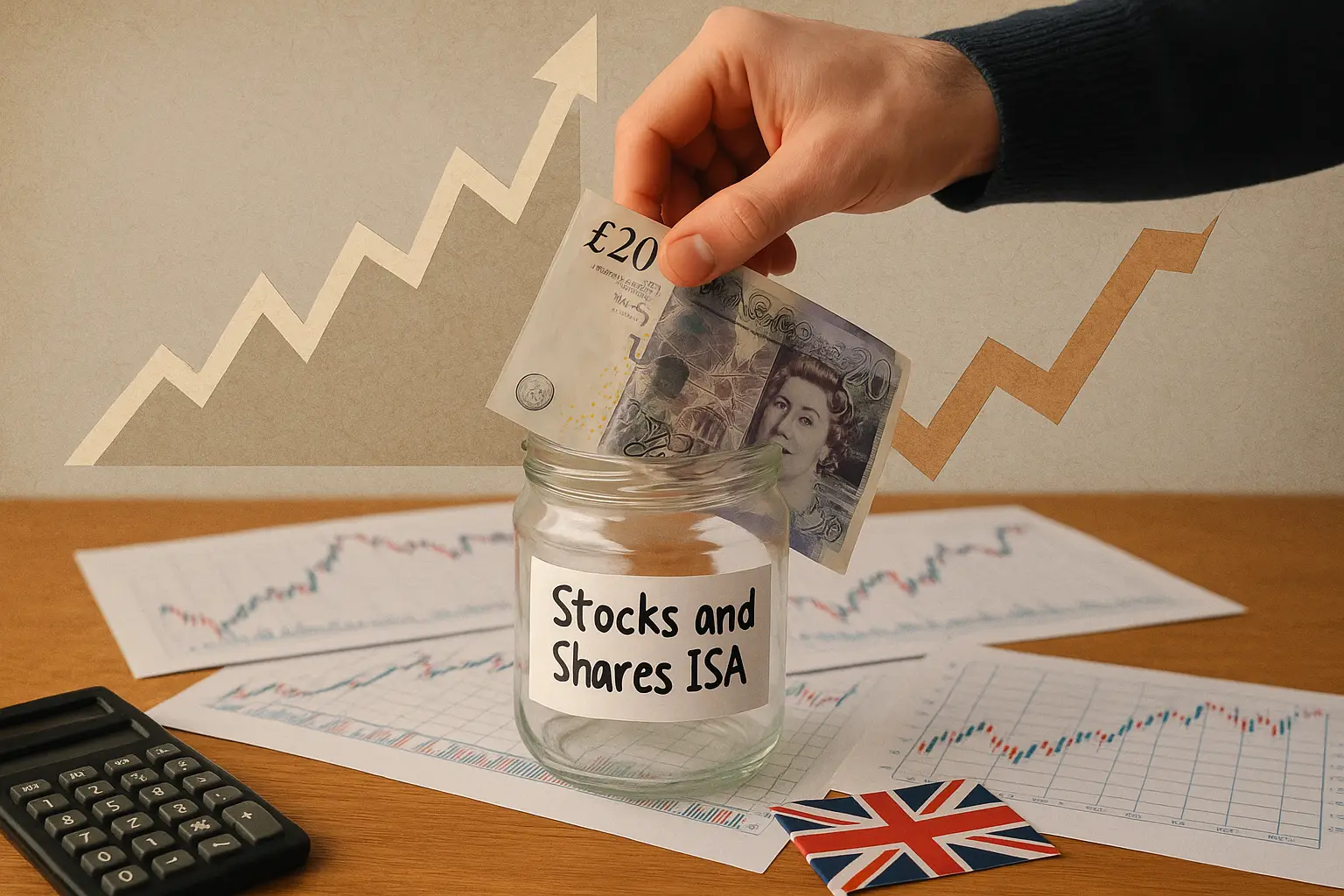
A Stocks and Shares ISA, or Individual Savings Account, is a tax-efficient way for UK residents to invest in stocks, shares, funds, and other assets without paying Income Tax or Capital Gains Tax (CGT) on the profits. This makes it an attractive option for beginners looking to grow their money over the long term, especially compared to standard savings accounts where interest is taxable. For the 2025/26 tax year, you can contribute up to £20,000 annually into an ISA, including a Stocks and Shares ISA, as confirmed by HMRC’s ISA overview.
Definition and key features
At its core, a Stocks and Shares ISA allows you to invest in a range of assets like individual company shares, bonds, or investment funds, all sheltered from UK taxes on gains and dividends. Unlike a regular brokerage account, any returns are yours to keep tax-free, which is particularly beneficial if you’re a higher-rate taxpayer. Key features include flexibility in withdrawals (depending on the provider) and the ability to hold diverse investments to spread risk.
How it differs from a Cash ISA
A Cash ISA is essentially a tax-free savings account offering fixed or variable interest rates, similar to a high-street bank deposit but without tax on the interest earned. In contrast, a Stocks and Shares ISA involves investing in the stock market, where your money buys ownership in companies or funds, potentially yielding higher returns but with greater volatility. While Cash ISAs suit short-term savers seeking stability, Stocks and Shares ISAs are ideal for those comfortable with market fluctuations aiming for growth beyond inflation.
| Feature | Stocks and Shares ISA | Cash ISA |
|---|---|---|
| Annual Allowance (2025/26) | Up to £20,000 | Up to £20,000 |
| Tax Treatment | Tax-free on gains and dividends | Tax-free interest |
| Average Returns | 5-8% long-term (variable) | 1-4% interest (fixed) |
| Risk Level | Medium to high (market-dependent) | Low (FSCS protected up to £85,000) |
| Suitability | Long-term growth seekers | Short-term savers |
This table highlights the trade-offs, with data drawn from sources like IG’s ISA comparison guide and recent market estimates.
Eligibility and rules
To open a Stocks and Shares ISA, you must be a UK resident aged 18 or over, and you can’t exceed the £20,000 annual limit across all your ISAs. You can only subscribe to one Stocks and Shares ISA per tax year (6 April to 5 April), but transfers from existing ISAs are allowed without affecting your allowance. HMRC monitors compliance, so accurate record-keeping is essential to avoid penalties.
Benefits of a Stocks and Shares ISA
The primary advantage of a Stocks and Shares ISA is its tax efficiency, shielding investments from UK Income Tax and CGT, which can add up significantly for growing portfolios. For instance, if your investments generate £10,000 in gains, you’d owe nothing in tax, unlike a taxable account where CGT rates apply at 10-20% for basic and higher-rate taxpayers. This benefit is especially valuable in a high-inflation environment, preserving more of your returns.
Tax advantages
As outlined by HSBC UK’s guide, profits and dividends within a Stocks and Shares ISA are completely tax-free, meaning no deductions for Income Tax on dividends (8.75-39.35% otherwise) or CGT on sales. This applies to UK residents only, and the wrapper doesn’t protect against provider fees or market losses. Over time, compounding tax-free can substantially boost your wealth.
Potential for growth
Unlike Cash ISAs with modest interest, Stocks and Shares ISAs tap into market growth, historically delivering average annual returns of 5-8% over the long term, according to Fidelity’s ISA rules explanation. A diversified portfolio might include global funds or UK shares, outpacing inflation and building real wealth. Remember, past performance isn’t a guarantee, but for patient investors, this potential is a key draw.
Tip: Start small with low-cost index funds to gain exposure to the market without picking individual stocks. This approach minimises fees and reduces the learning curve for beginners.
Types of Stocks and Shares ISAs
While the standard Stocks and Shares ISA offers broad flexibility, variants like Junior and Lifetime ISAs cater to specific life stages, each with unique rules and benefits.
Standard ISA
The standard version allows investments in a wide array of assets, with full control over withdrawals at any time (though some flexible ISAs permit replacement of withdrawn funds within the year). It’s perfect for adults building personal wealth.
Junior Stocks and Shares ISA
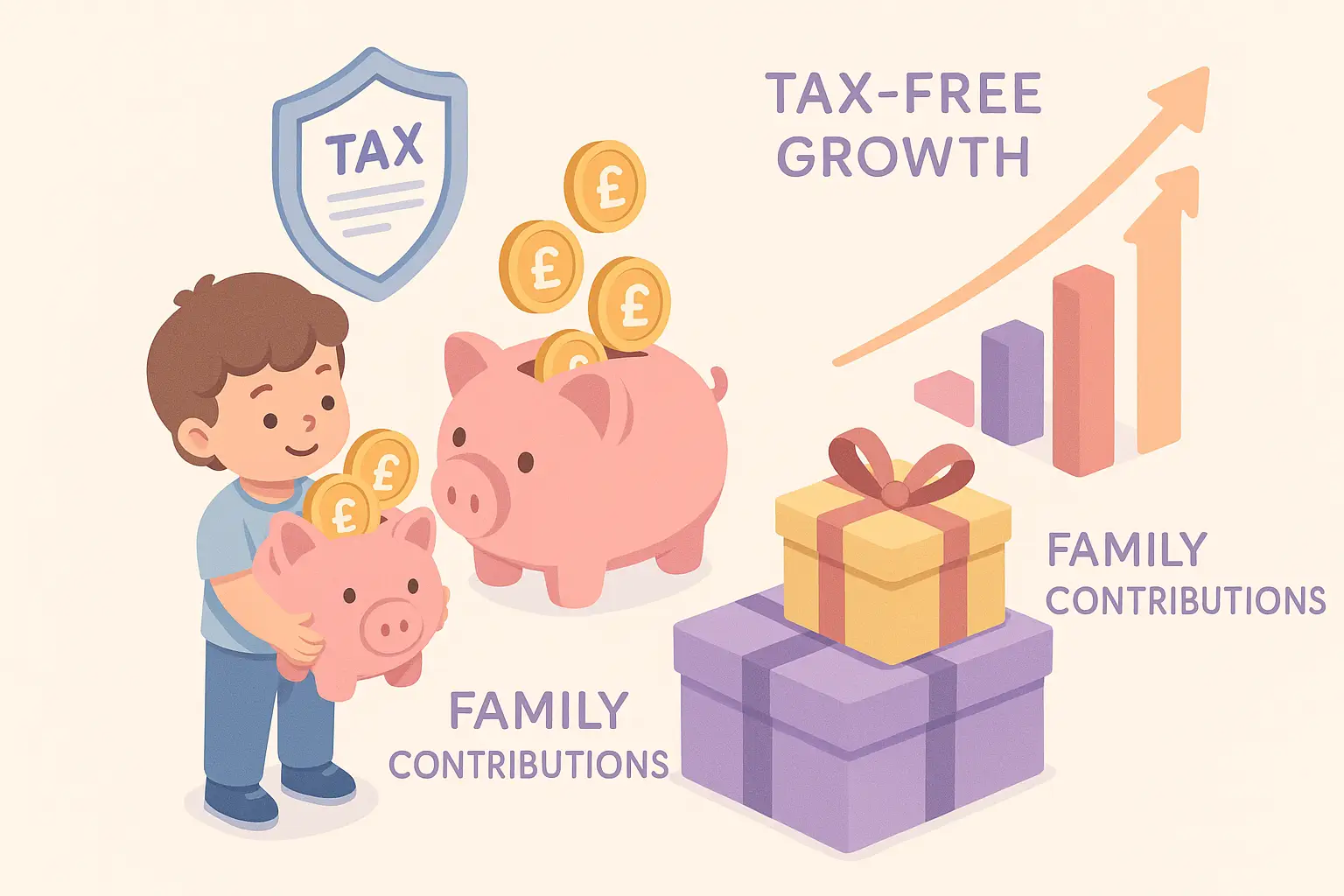
A Junior Stocks and Shares ISA is designed for children under 18, with parents or guardians managing investments until maturity at age 18, when control passes to the child. The 2025/26 allowance is £9,000, all growing tax-free, as detailed in NatWest’s investment account info. What is a junior stocks and shares ISA? It’s essentially a long-term gift that leverages compound growth without tax erosion.
Lifetime ISA integration
A Stocks and Shares Lifetime ISA combines ISA benefits with a 25% government bonus on up to £4,000 contributed annually (for ages 18-39), aimed at first homes or retirement. You can invest the funds in stocks and shares for higher potential returns, but withdrawals before age 60 incur a 25% charge unless for approved uses. Learn more from MoneyHelper’s stocks and shares ISAs guide.
Risks and Returns
Returns from a Stocks and Shares ISA vary with market conditions, but what is the return on a stocks and shares ISA? Long-term averages hover around 5-8%, though short-term dips can occur. A good return might exceed 7% annually for a balanced portfolio, but focus on sustainable growth over quick gains.
What to expect from returns
Historical data shows UK stock market indices like the FTSE All-Share delivering steady growth, but volatility means you could see -10% in a bad year or +20% in a good one. Diversification across assets helps smooth returns, and tax-free status amplifies net gains.
Market risks for beginners
The main risk is capital loss if investments decline in value, unlike Cash ISAs protected by the Financial Services Compensation Scheme. Currency fluctuations and economic events add uncertainty, so only invest what you can afford to leave untouched for 5+ years.
Diversification tips
Spread investments across sectors, regions, and asset types—e.g., 60% equities, 40% bonds—to mitigate risks. Ready-made funds from providers simplify this for novices.
How to Open a Stocks and Shares ISA
Opening a what is a stocks and shares ISA account involves selecting a platform, verifying eligibility, and funding it. Compare options to find low-fee providers; for the best stocks and shares isa, look at user reviews and tools.
Choosing a provider
Research FCA-regulated platforms like those recommended by Which? for ease of use and costs. Avoid high trading fees if you’re a beginner.
Contribution process
Once chosen, complete an online application, declare your tax status, and transfer funds via bank or existing ISA. Invest in chosen assets immediately or drip-feed monthly.
Monitoring investments
Use app tools to track performance and rebalance annually. Consult Hargreaves Lansdown’s ISA services for ongoing management ideas.
Frequently asked questions
How does a Stocks and Shares ISA work?
A Stocks and Shares ISA works by wrapping your investments in a tax-free shelter provided by the UK government, allowing you to buy and sell assets like shares or funds without owing Income Tax on dividends or CGT on profits. You contribute up to your annual allowance, and any growth compounds tax-free over time. Providers handle the administration, reporting to HMRC on your behalf to ensure compliance. This structure encourages long-term saving, but remember that the value can fall as well as rise.
What is the difference between a Cash ISA and a Stocks and Shares ISA?
The key difference lies in the investment type: a Cash ISA earns interest like a savings account, offering stability and FSCS protection, while a Stocks and Shares ISA invests in the market for potentially higher but riskier returns. Both share the £20,000 allowance and tax-free status, but Cash ISAs suit conservative savers, whereas Stocks and Shares ISAs appeal to those seeking growth beyond inflation. Comparing the two, what is a cash ISA vs stocks and shares ISA often comes down to your risk tolerance and time horizon.
Can I withdraw money from a Stocks and Shares ISA?
Yes, you can withdraw from a Stocks and Shares ISA at any time without losing the tax-free wrapper, though some flexible ISAs let you replace withdrawals within the same tax year without affecting your allowance. However, unlike Cash ISAs, selling investments might realise losses if the market is down, and there could be exit fees. What is a flexible stocks and shares ISA? It’s a variant allowing this replacement feature, ideal for those needing occasional access.
What are the risks of a Stocks and Shares ISA?
The primary risks include market volatility, where share prices can drop due to economic factors, potentially eroding your capital. There’s also inflation risk if returns don’t outpace rising costs, and platform fees can nibble at gains. Unlike bank savings, there’s no guarantee of getting your money back, so diversification and a long-term view are crucial. Beginners should start with low-risk funds to manage exposure.
How much can I invest in a Stocks and Shares ISA?
For 2025/26, the ISA allowance is £20,000 total across all ISAs, which you can allocate fully or partially to a Stocks and Shares ISA. This limit resets each tax year on 6 April, and unused portions don’t roll over. What is a tax free stocks and shares ISA? It’s the standard benefit, but contributions must come from post-tax income, with no top-ups from bonuses or gifts beyond the cap.
What is the benefit of a Stocks and Shares ISA?
The main benefit is tax-free growth, preserving more of your returns compared to taxable investments, especially advantageous for higher earners facing CGT and dividend taxes. It also promotes disciplined saving through the annual limit, encouraging diversification for better risk management. Over decades, this can lead to substantial wealth accumulation, making it a cornerstone of UK personal finance strategies.
Can I transfer an existing ISA to a Stocks and Shares ISA?
Yes, you can transfer Cash or other ISAs to a Stocks and Shares version without using your current year’s allowance, provided the receiving provider is FCA-authorised. Transfers typically take 15-30 days and can be full or partial. This is useful if you’re shifting from low-growth savings to market investments, but check for any fees or market timing impacts.