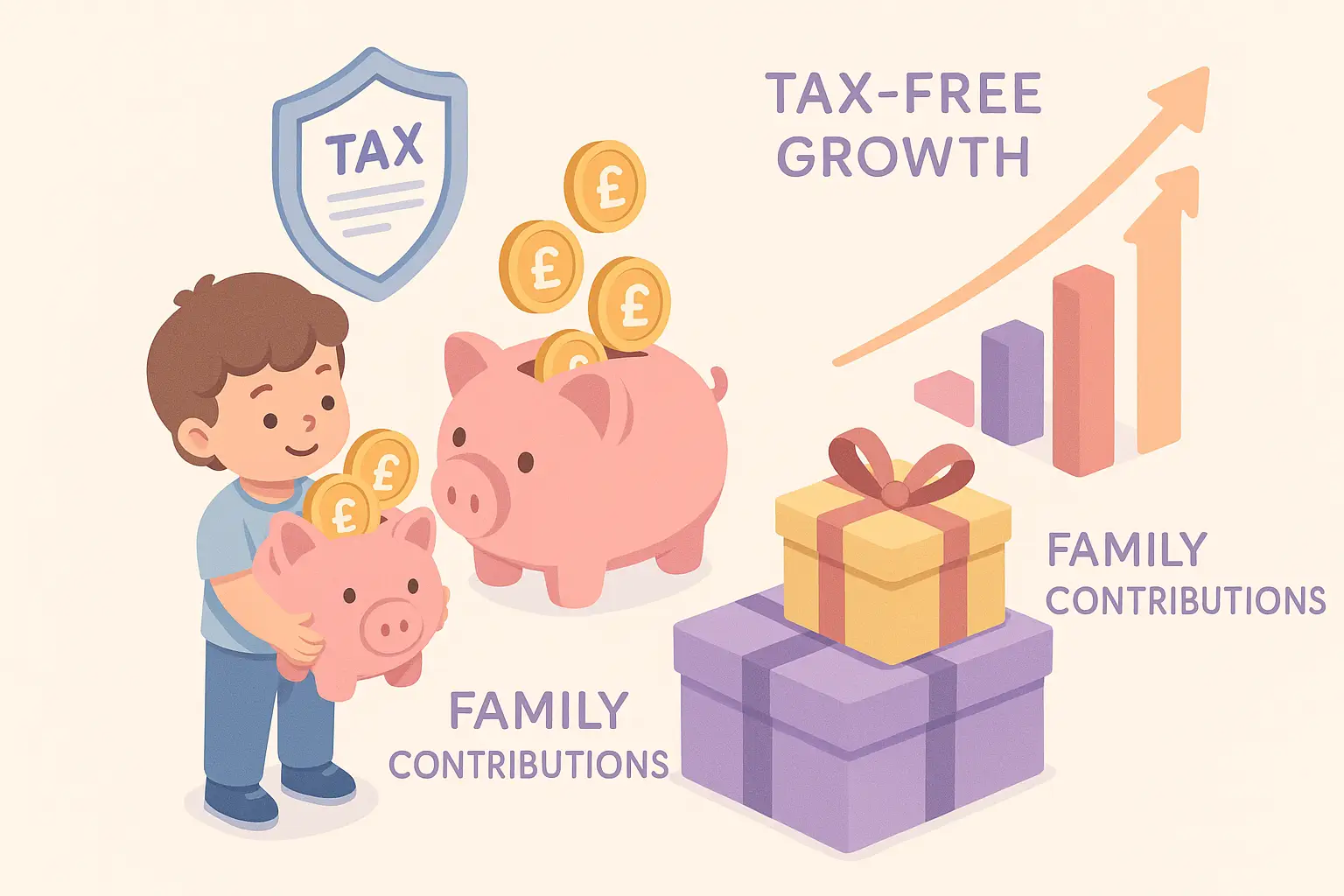


Definition and how a fixed rate ISA works
A fixed rate ISA is a type of cash individual savings account that locks in an interest rate for a set period, offering tax-free savings growth for UK residents. Unlike standard savings accounts, it guarantees your rate against market changes, making it ideal for those seeking stability. This beginner’s guide explains the basics of a fixed rate ISA, including how it functions as a locked-in savings option.
At its core, a fixed rate ISA, often referred to as a fixed rate cash ISA, allows you to deposit money into a tax-free wrapper where interest is earned at a predetermined rate over terms like one year or two years. The money is held by a provider such as a bank or building society, and the interest compounds without any income tax deductions. For example, if you invest £10,000 at 4% AER (annual equivalent rate, which shows the true return including compounding), you would earn around £400 in tax-free interest after one year, assuming no withdrawals.
Core features of fixed rate ISAs
Key elements include the fixed interest rate, which does not fluctuate during the term, and the ISA allowance of £20,000 per tax year (from 6 April to 5 April the following year). This allowance covers all ISAs combined, so you cannot exceed it across cash, stocks and shares, or other types. Fixed rate ISAs are protected by the Financial Services Compensation Scheme (FSCS) up to £85,000 per person per institution, ensuring your savings are safe if the provider fails.
Difference from variable rate ISAs
Variable rate ISAs offer flexibility with rates that can change based on the Bank of England base rate, while fixed rate versions provide certainty but limit access. If interest rates fall, as they have in recent years, a fixed rate ISA protects your earnings; however, if rates rise, you miss out. A one-year fixed rate ISA might suit short-term goals, whereas a two-year fixed rate ISA appeals for longer commitments.
Tax benefits and allowance
ISAs shield interest from UK income tax, unlike non-ISA savings where basic rate taxpayers face a £1,000 personal savings allowance before tax applies. With over 11 million cash ISAs held in the UK as of 2024, they remain popular for tax efficiency. For details on rules, see the official HMRC guidance on Individual Savings Accounts (ISAs).
Tip: Always check your total ISA contributions across providers to stay within the £20,000 allowance, as per NatWest’s overview from 2025.
Benefits and drawbacks
Fixed rate ISAs provide guaranteed, tax-free returns in a low-interest environment, but they come with access restrictions. They excel when rates are expected to drop, locking in higher yields compared to variable options.
Guaranteed returns mean predictable growth; for instance, top fixed rate cash ISAs offer up to 4.27% AER as of October 2025, per Moneyfactscompare. This stability appeals to risk-averse savers, especially with the Bank of England’s base rate influencing broader interest rates. However, liquidity is limited—no withdrawals without penalties, often 90-150 days’ interest lost, making them unsuitable for emergency funds.
Liquidity limitations and other cons
Early access typically incurs charges, and you cannot add more money after the initial deposit in many cases. Pros include FSCS protection and tax-free compounding, but drawbacks involve opportunity costs if rates rise. Overall, they suit those with surplus cash for at least a year.
For a balanced view on pros and cons, Tembo’s guide from 2025 highlights how fixed rates outperform in falling markets.
Current rates and terms (2025)
In 2025, fixed rate ISAs offer competitive AERs, with one-year terms around 4% and longer ones slightly lower for stability. Rates have stabilised post-inflation peaks, but always verify for updates.
One-year options
A one-year fixed rate ISA, like HSBC’s 4.00% offer with a £500 minimum deposit, guarantees returns without market volatility. These are popular for short-term parking of ISA allowance.
Longer-term options
Two-year fixed rate ISAs, such as Santander’s, provide similar security but may yield marginally less. Compare via independent sites to find the best fit without provider bias.
| Provider | Term Length | AER (%) | Minimum Deposit |
|---|---|---|---|
| HSBC | 1 year | 4.00 | £500 |
| Nationwide | 1 year | 3.75 | £1 |
| NatWest | 2 years | 3.80 | £500 |
| Santander | 2 years | 3.90 | £500 |
Rates sourced from Money To The Masses’ 2025 best-buy table; subject to change.
To explore best fixed rate isa options, use comparison tools.
Who should consider a fixed rate ISA?
UK residents aged 18+ with spare cash and tolerance for limited access should opt for fixed rate ISAs if they prioritise security over flexibility. They are best for low-risk savers planning ahead.
Eligibility criteria
You must be a UK tax resident; non-residents may face restrictions. Transfers from existing ISAs count towards the allowance without using new contributions.
Best for low-risk savers
Ideal for retirees or those nearing goals like a house deposit, where certainty matters. If needing access, consider easy-access cash ISAs instead.
For alternatives, review NatWest’s fixed ISA page from 2025.
Frequently asked questions
How does a fixed rate ISA work?
A fixed rate ISA works by allowing you to deposit up to £20,000 in a tax year into a cash account with a locked interest rate for a fixed term, such as one or two years. Interest accrues daily and is paid tax-free at maturity or annually, without deductions for UK income tax. This structure ensures predictable growth, protected by FSCS up to £85,000, but early withdrawals often incur penalties equivalent to lost interest. It’s a secure way for beginners to build savings, especially in uncertain rate environments.
What are the pros and cons of a fixed rate cash ISA?
The main pros include guaranteed interest rates that shield against drops in the Bank of England base rate, tax-free earnings unlimited beyond the personal savings allowance, and FSCS protection for peace of mind. Cons involve restricted access with penalties for early withdrawal, potentially missing higher rates if the market rises, and inability to add funds mid-term. For cautious savers, the stability outweighs liquidity issues, but active users might prefer variable cash ISAs. Overall, they suit long-term planning in a low-rate climate like 2025.
Can I withdraw money from a fixed rate ISA?
Withdrawals from a fixed rate ISA are generally not allowed during the term without penalties, which can be 90-365 days’ equivalent interest depending on the provider and length remaining. Some offer partial access but at a cost, while maturing accounts release funds fully tax-free. If you need liquidity, consider the implications carefully or opt for flexible alternatives. Always review terms, as per Santander’s two-year fixed rate ISA details from 2025, to avoid surprises.
What is the difference between fixed and variable rate ISAs?
Fixed rate ISAs lock in a set AER for the term, providing certainty but limiting access, whereas variable rate ISAs adjust with market changes, offering flexibility for withdrawals. In rising rate scenarios, variable might outperform; in falling ones, fixed preserves earnings better. Both are tax-free under the £20,000 allowance, but fixed suits conservative strategies. For 2025, with stable but low rates, fixed options like Nationwide’s provide reliable returns without volatility.
How much can I put in a fixed rate ISA?
You can contribute up to £20,000 total across all ISAs in the 2025-2026 tax year, including fixed rate cash ISAs, with no upper limit per account except provider minimums like £1-£500. Unused allowance does not carry over, so timing matters from 6 April. Transfers from other ISAs don’t count as new money. This cap, set by HMRC, encourages diversified saving while maximising tax benefits.
What is a one-year fixed rate ISA and is it worth it?
A one-year fixed rate ISA is a short-term cash ISA guaranteeing interest, such as 4% AER, for 12 months with no access. It’s worth it if you expect rates to fall, securing current yields like HSBC’s 2025 offer, and have funds not needed soon. However, for very short horizons, penalties could erode gains. Experts recommend it for balanced portfolios alongside easy-access options, especially with over 11 million cash ISAs in use.
Are fixed rate ISA rates better than regular savings accounts?
Fixed rate ISA rates often match or exceed regular savings due to tax advantages, with top 2025 AERs at 4.27% versus taxable accounts where basic rate tax reduces effective yields. For higher earners exceeding the £1,000 personal savings allowance, ISAs provide unlimited tax-free interest. Yet, non-ISA fixed bonds might offer similar gross rates for low-taxpayers. Weigh your tax band; for most, the ISA wrapper adds value in a competitive market.