

What is a fixed rate ISA?
A fixed rate ISA is a tax-free savings account that locks in an interest rate for a set period, offering stability for your money. It falls under the Individual Savings Account (ISA) umbrella, allowing UK residents to save up to £20,000 annually without paying tax on the interest earned. Ideal for those seeking predictable returns, these accounts typically run for terms from one to five years.
Definition and how it works
At its core, a fixed rate ISA provides a guaranteed Annual Equivalent Rate (AER), which is the standard way UK banks express interest to make comparisons easier. You deposit a lump sum at the start, and the rate remains unchanged throughout the term, regardless of market fluctuations. Interest is usually calculated daily or monthly and added to your account, all tax-free within the ISA wrapper. For more on the basics, see our guide on what is a fixed rate isa.
Eligibility and limits
To open a fixed rate ISA, you must be a UK resident aged 18 or over, and it counts towards your £20,000 annual ISA allowance for the 2025/26 tax year, as set by HM Revenue & Customs (HMRC). You can only contribute to one fixed rate ISA per tax year per provider, but transfers from other ISAs are allowed without affecting your allowance. Minimum deposits often start at £500, and all eligible accounts are protected by the Financial Services Compensation Scheme (FSCS) up to £85,000 per person per institution.
Current rates in 2025
As of October 2025, top fixed rate ISA rates reach up to 4.27% AER for one-year terms, according to Moneyfactscompare’s survey of over 100 UK providers. Shorter terms like six months might offer slightly lower rates around 4.00%, while longer two-year options hover at 4.00%. These figures are influenced by the Bank of England base rate and can change, so checking current offers is essential. For the latest, visit Moneyfactscompare’s fixed rate ISA page.
| Term Length | AER (%) | Minimum Deposit | Provider Example |
|---|---|---|---|
| 1 year | 4.27 | £1,000 | Various (e.g., via Money.co.uk) |
| 2 years | 4.00 | £500 | Santander |
| 1 year | 4.00 | £5,000 | HSBC |
Pros of fixed rate ISAs
Fixed rate ISAs excel in providing security and certainty, making them a strong choice for savers who prioritise stability over flexibility in their savings strategy.
Guaranteed returns
The standout advantage of fixed rate ISAs is the locked-in interest rate, shielding you from drops in market rates. If the Bank of England cuts the base rate, your AER remains fixed, ensuring predictable growth on your savings. This reliability is particularly beneficial in uncertain economic times, as highlighted in Money.co.uk’s guide to fixed rate cash ISAs.
Tax-free growth
All interest earned is exempt from income tax, which can add up significantly for higher-rate taxpayers. For example, on a £10,000 deposit at 4.27% AER, you’d earn around £427 tax-free in one year, compared to potentially less after tax in a non-ISA account. This tax efficiency maximises your returns within the £20,000 allowance.
Protection from rate cuts
In a falling interest rate environment, fixed rate ISAs lock in higher yields before cuts take effect. With forecasts suggesting possible base rate reductions in 2025, securing a rate now could outperform variable options later. This protection is a key benefit for long-term planning.
Tip: If you have surplus cash you won’t need soon, a fixed rate ISA can help beat inflation while keeping your money safe under FSCS protection.
Cons of fixed rate ISAs
Despite their appeal, fixed rate ISAs come with trade-offs, mainly around accessibility and potential opportunity costs, which could make them unsuitable for emergency funds.
Lack of access to funds
Once deposited, your money is tied up for the full term, typically one to five years, with no withdrawals allowed without penalties. This lack of liquidity means fixed rate ISAs aren’t ideal if you might need quick access to cash for unforeseen expenses.
Penalty risks
Early withdrawal usually incurs a charge equivalent to 90-150 days’ interest, as standard across providers like NatWest. For instance, breaking a one-year term early could cost you £100 or more on a £10,000 balance, eroding your gains. Details on such terms are outlined in NatWest’s fixed rate cash ISA terms.
Inflation erosion
If inflation outpaces your fixed rate, your savings’ real value diminishes. At 2.2% UK inflation in September 2025 per the Office for National Statistics (ONS), rates below 3% effectively lose purchasing power over time. This drawback is especially relevant in volatile economic periods.
Fixed rate ISA vs other savings options
When weighing fixed rate ISAs against alternatives, the choice hinges on your need for access versus rate security, with fixed options suiting committed savers best.
Comparison to easy access ISAs
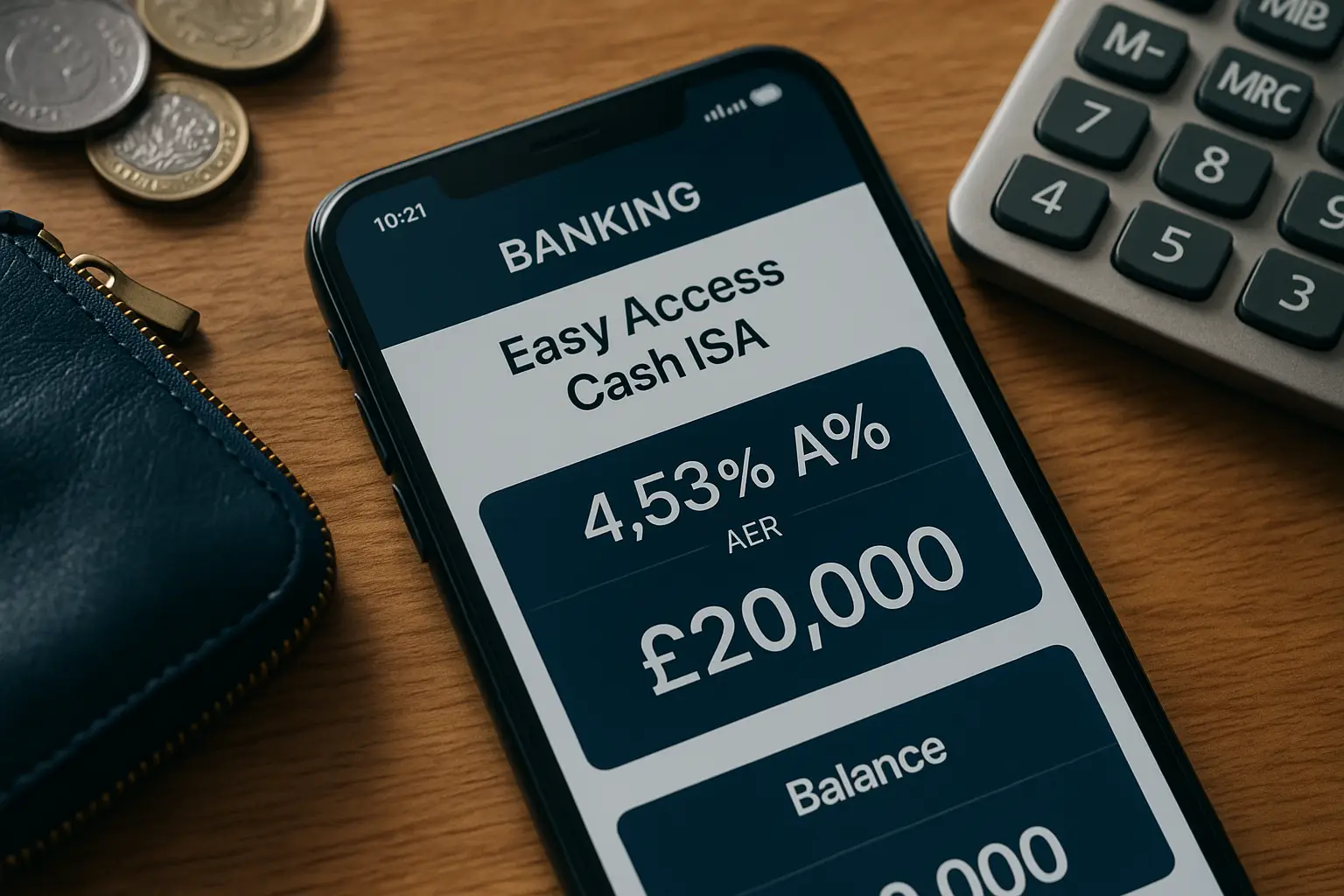
Fixed rate ISAs offer higher, locked rates like 4.27% AER versus easy access ISAs’ variable 4.51% top rates, but the latter allow penalty-free withdrawals anytime. Easy access suits fluctuating needs, while fixed prioritises yield. For a broader view, explore MoneySavingExpert’s best cash ISA guide, which compares up to 4.51% easy access and 4.27% fixed.
When to choose fixed rate
Opt for a fixed rate ISA if you have a clear timeline for your savings, such as saving for a house deposit in two years, and won’t need the funds sooner. It’s less suitable for emergency pots due to penalties.
Strategy tips
Diversify by splitting your £20,000 allowance between fixed and easy access ISAs to balance growth and liquidity. Monitor the Bank of England base rate for timing—lock in now if rates are peaking. For rates details, check our pillar on best fixed rate isa.
Is a fixed rate ISA right for you?
A fixed rate ISA fits if you value guaranteed, tax-free returns and can commit funds long-term, but assess your liquidity needs first to avoid penalties.
Personal scenarios
For a 35-year-old saver with stable income and a three-year horizon, a fixed rate ISA maximises growth without tax worries. Conversely, if you’re building an emergency fund or face job uncertainty, easy access might be safer despite lower potential rates.
2025 market outlook
With top rates at 4.27% and inflation at 2.2%, 2025 offers decent real returns, but potential base rate cuts could make now ideal for locking in. ONS data on UK inflation underscores monitoring economic shifts.
Next steps
Evaluate your goals, then compare options without committing immediately. Use tools from trusted sites to find deals, and consider consulting a financial advisor for personalised fit. To get started, learn how to open a fixed rate isa.
Frequently asked questions
What are the benefits of a fixed rate ISA?
The primary benefits include guaranteed interest rates that protect against market drops and tax-free growth on earnings up to your £20,000 allowance. This stability is ideal for medium-term goals, as your AER remains fixed, potentially yielding more than variable accounts over time. In 2025, with rates up to 4.27%, these advantages help savers beat inflation effectively while enjoying FSCS protection.
Are fixed rate ISAs safe?
Yes, fixed rate ISAs are safe when held with UK-authorised providers, covered by the FSCS up to £85,000 per institution. This scheme compensates savers if the provider fails, ensuring your capital and interest are secure. However, they’re not immune to inflation risks, so choose rates above current levels like 2.2% for real growth.
How do fixed rate ISAs compare to easy access ISAs?
Fixed rate ISAs provide higher, locked-in returns (e.g., 4.27% AER) but restrict access, while easy access ISAs offer flexibility with slightly higher top rates like 4.51% but variable yields that can fall. Fixed suits committed savings, whereas easy access fits emergency needs. The trade-off is liquidity versus certainty in your overall strategy.
What happens if I withdraw from a fixed rate ISA early?
Early withdrawal triggers penalties, often 90-150 days’ lost interest, potentially costing hundreds on larger sums. Some providers allow it with notice, but your rate drops to a lower variable one post-withdrawal. Always review terms, as per NatWest examples, to avoid surprises and ensure it aligns with your plans.
Is now a good time to open a fixed rate ISA in 2025?
With rates at 4.27% exceeding 2.2% inflation, 2025 presents a solid opportunity if you anticipate rate cuts from the Bank of England. It’s particularly timely for tax year-end planning within your allowance. However, if you need access, consider alternatives to mitigate opportunity costs.
What are the main fixed rate ISA drawbacks?
Key drawbacks include limited access and penalties for early exit, plus vulnerability to inflation if rates lag. Longer terms amplify these issues, tying up funds when better opportunities arise. For savers needing flexibility, these cons outweigh the pros, making easy access a better fit.
Fixed rate ISA pros and cons for 2025 strategies
Pros like tax-free, guaranteed returns shine in 2025’s potentially declining rate environment, locking in yields above inflation. Cons such as penalties and illiquidity require careful assessment for your risk tolerance. Balancing with diversified savings enhances overall strategy without overexposure.