Best junior isa options for 2025
- Nyheter
Discover the best junior isa in the UK for 2025, including top cash accounts with up to 4.92% AER and stocks and shares platforms like AJ Bell for tax-free growth.…

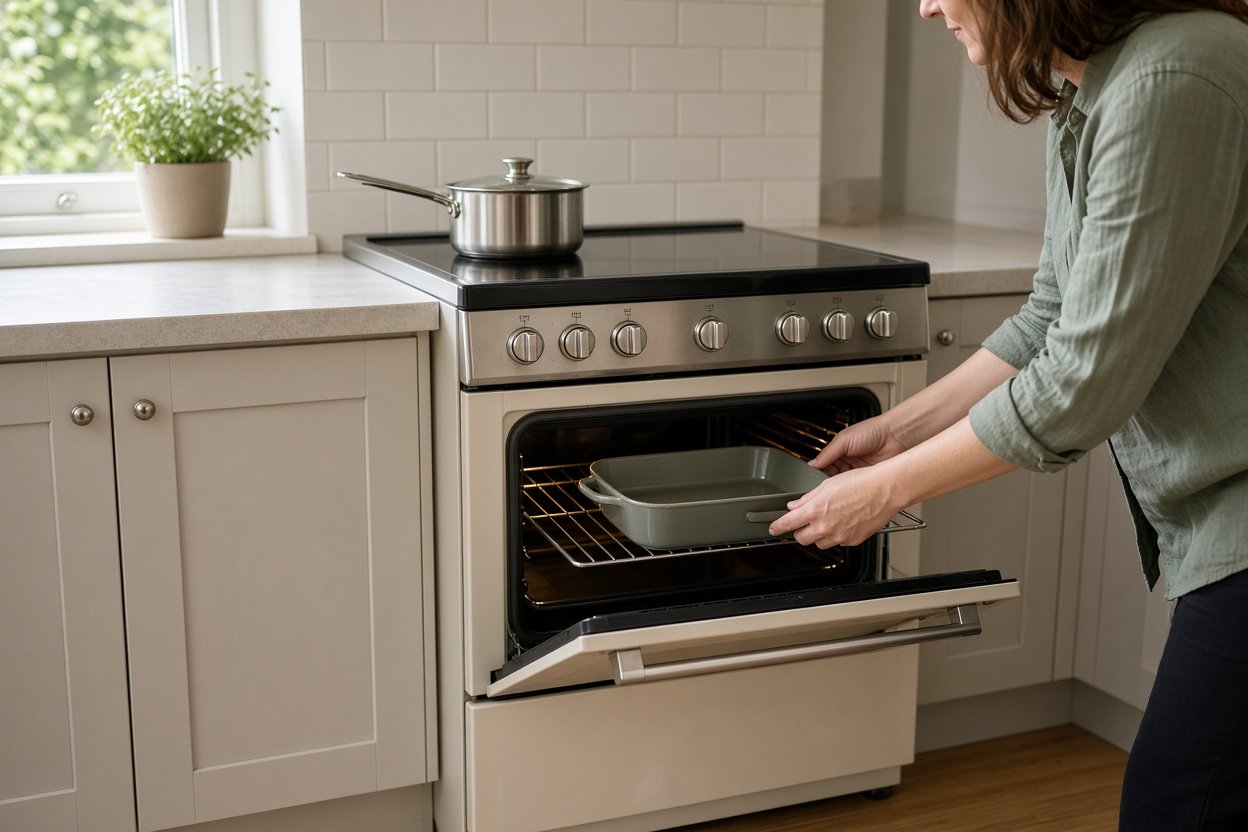

In the UK, a cooker usually means a freestanding all-in-one appliance containing at least one oven and a hob. It stands on the floor, normally in a gap between kitchen units and the worktop, combining functions that might otherwise be supplied by a separate built-in oven and hob. Argos explains the basic cooker format in its buying guide.
The main decisions are fuel type, format, width, oven capacity, hob type and installation. Making them in that order helps eliminate unsuitable cookers before you compare features and prices.
Choose all-gas for the lowest typical purchase and running cost where a gas connection already exists, electric for a more even oven and simpler hob cleaning, and dual fuel for a gas hob with an electric oven. The available gas and electrical connections should influence the decision as much as cooking preferences.
| Cooker type | Main strengths | Check before buying |
|---|---|---|
| All-gas | Fast, visible and easily adjusted hob heat; compatible with all pan types | Needs gas, ventilation and Gas Safe installation; the oven can heat less evenly |
| All-electric | Usually more even oven heat; ceramic and induction hobs have flat surfaces that are easier to clean | Check the electrical supply and outlet position |
| Dual fuel | Gas hob control combined with the generally more even heat of an electric oven | Needs suitable gas and electrical connections, plus Gas Safe installation |
| Electric induction | Heats the pan directly and is fast; the flat surface is straightforward to wipe | Pans need an iron-based base; a fridge magnet should normally stick to a compatible pan |
Gas hobs provide immediate, visible heat and work with every type of pan. Their pan supports and burners create more places for spills to collect, so they are harder to clean than ceramic or induction hobs. Gas ovens commonly distribute heat less evenly than electric ovens and can be hotter at the top than the bottom.
Electric ovens generally provide more even heat because many models circulate warm air with a fan. Dual fuel combines the direct control of gas on the hob with the cooking pattern of an electric oven.
Which? says all-gas cookers are normally the cheapest to buy and run when the property already has a gas supply. Its comparison gives average annual running costs of £29.50 for tested gas cookers and £60.50 for tested electric, induction and dual-fuel models. Actual running costs depend on how you cook and the energy tariff.
Choose the fuel type after checking the existing connection, then match the cooker format and width to the kitchen. After that, compare oven capacity, hob type, cleaning features and installation requirements.
Standard freestanding cookers are usually 50–60 cm wide, while range cookers can be substantially wider. A 50 cm cooker is a practical starting point for a narrow kitchen. A 60 cm cooker provides the standard full-width format when the opening allows it.
A freestanding cooker normally does not require a dedicated built-in housing unit and is designed to sit between kitchen units. John Lewis recommends leaving at least 5 cm around a freestanding cooker to reduce the risk of heat damage. Measure the available height and width, and check that the hob will not sit directly below an overhead cupboard.
Range cookers are intended for kitchens with more space. Currys says they can be up to three times wider than standard freestanding models, while John Lewis gives a typical range-cooker width span of 60–150 cm. This format can suit households cooking several dishes at once, but it changes the space and installation requirements.
Use this measuring sequence:
A freestanding electric cooker keeps the oven and hob together in one appliance, which can make it a straightforward replacement in a suitable gap. A built-in arrangement separates the appliances and is better suited to a kitchen designed around integrated units.
For a freestanding electric cooker, the electrical specification matters as much as the cabinet width. Currys states that a cooker above 3 kW should have an outlet no more than 2 metres away, while a model below 3 kW should have an outlet no more than 1.5 metres away. Confirm the appliance requirements and the property’s supply with a qualified installer.
Gas and dual-fuel cookers must be installed by a Gas Safe-registered installer. A gas hob also requires a gas connection within 1.5 metres and a 13 A or fused outlet according to Currys’ buying guidance. Gas cooking requires ventilation: the kitchen needs a door or window opening directly to outside air, and a permanent ventilation grille may be needed in a very small kitchen.
Choose capacity according to the largest meal you cook, then choose the hob and cleaning features you will use every week. Currys recommends at least 65 litres of oven capacity if you want to cook a larger Sunday dinner in one oven. Check the stated capacity because two cookers of the same width can organise their internal space differently.
Currys lists steam cleaning, pyrolytic cleaning and catalytic liners as features to look for. Pyrolytic cleaning heats the oven to around 500°C and turns baked-on food residue into ash. Compare the full cleaning specification because these systems work differently.
Which? says basic all-gas cookers start at around £200, cheaper electric ceramic and dual-fuel models at around £250, and freestanding induction cookers at around £500, with some costing more than £1,000. These are guide prices and can change with retailer, model and availability.
| Budget point | Typical guide figure |
|---|---|
| Basic all-gas cooker | About £200 |
| Cheaper electric ceramic or dual-fuel cooker | About £250 |
| Freestanding induction cooker | Normally at least about £500 |
The purchase price is only one part of the budget. Add delivery, removal if required, installation and any work needed to make the gas or electrical connection suitable. A cheap gas cooker is not a simple swap if the kitchen lacks the required connection or ventilation. A cheap electric model still needs the correct outlet position and supply.
All-gas suits buyers who want fast, visible hob heat and lower typical running cost where gas is already available. Electric suits buyers who prioritise generally even oven heat and a flat, easier-to-clean hob. Dual fuel combines a gas hob with an electric oven. Induction is fast and heats the pan directly, but it requires compatible iron-based pans. Existing gas and electrical connections should decide what is practical first.
Start with the fuel connection already installed, then compare width, oven capacity, hob type, cleaning features, price and installation. For many replacements, retaining the existing fuel type avoids the extra work associated with changing the kitchen’s connections.
Basic all-gas cookers start at around £200, cheaper electric ceramic and dual-fuel models at around £250, and freestanding induction cookers at around £500. The final cost also depends on the cooker’s installation requirements.
A 60 cm cooker is a common freestanding width, but suitability depends on the actual opening and clearance around it. Measure the space, allow at least 5 cm around the appliance, and check the hob against overhead cupboards. A 50 cm model is more suitable where the opening is narrower.
Yes. Gas and dual-fuel cookers must be installed by a Gas Safe-registered installer. The kitchen also needs suitable ventilation, and the gas connection and electrical outlet must be within the distances specified for the appliance and installation.