

Eligibility and how to open a Lifetime ISA
A Lifetime ISA, often abbreviated as LISA, is a tax-free savings account designed for UK residents aged 18 to 39, helping you save for your first home or retirement with a government bonus. Introduced in 2017, it combines elements of a cash or investment ISA with an incentive to encourage long-term saving. To qualify, you must be 18 to 39 when you open the account, and you can continue contributing until age 50, though the bonus applies only to contributions made before 40.
Who qualifies?
Eligibility for a Lifetime ISA is straightforward but specific to UK residents. You must be aged 18 to 39 at the time of opening the account and live in the UK, including Northern Ireland. There are no income restrictions, making it accessible for first-time savers. Non-UK residents or those over 39 cannot open a new one, though existing holders can keep saving. For detailed rules, see the GOV.UK Lifetime ISA overview (accessed October 2025).
Steps to open
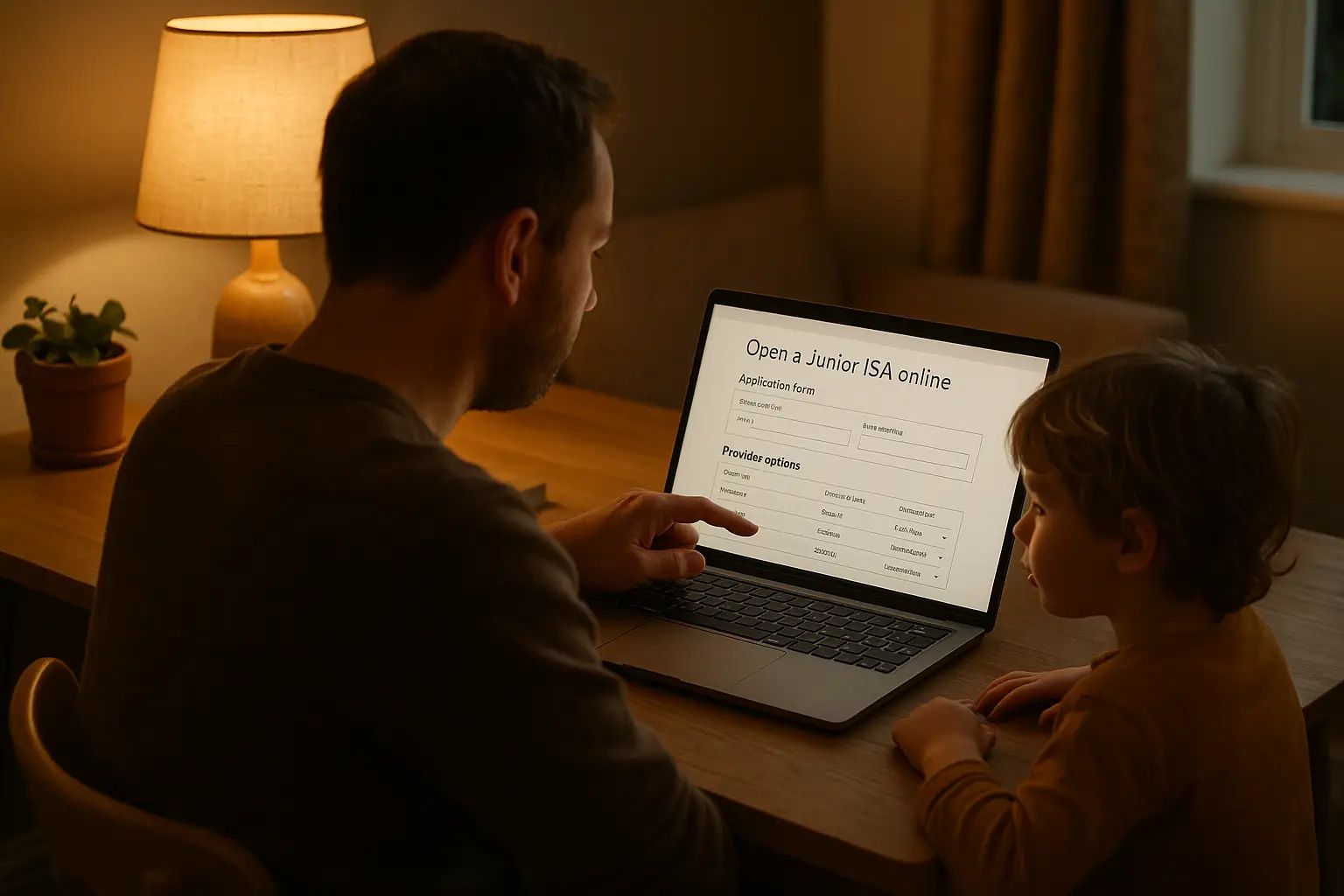
Opening a Lifetime ISA is simple and can be done online in minutes. First, choose a provider such as a bank or investment platform. Provide your personal details, including National Insurance number, and confirm your eligibility. Fund the account via bank transfer or direct debit, and the provider will claim the government bonus on your behalf. You can open one anytime from age 18, but contributions start earning the bonus from the tax year you begin (the UK financial year runs from 6 April to 5 April).
Providers overview
Various UK providers offer Lifetime ISAs, from high-street banks like HSBC to investment apps like Moneybox. What is a Lifetime ISA Moneybox, for example, refers to the app-based account from Moneybox, which simplifies investing for beginners. Nationwide and others provide cash options. Always check for FSCS protection up to £85,000. For comparisons, explore our guide on the best lifetime isa options.
Tip: Start small if you’re new to saving—many providers allow contributions from £1, helping you build the habit before maxing out the allowance.
Types of Lifetime ISAs
Lifetime ISAs come in two main types: cash and stocks and shares, each suited to different risk levels. What is a cash Lifetime ISA focuses on low-risk savings with fixed interest, while a stocks and shares version invests in markets for potential higher returns but with volatility.
Cash vs. stocks and shares
A cash Lifetime ISA works like a savings account, earning interest tax-free. What is a cash Lifetime ISA? It’s ideal for conservative savers wanting stability, with current rates around 4-5% AER in 2025. In contrast, a stocks and shares Lifetime ISA invests your money in funds, shares, or bonds, aiming for growth over time. What is a stocks and shares Lifetime ISA? It suits those comfortable with market fluctuations, historically averaging 5-7% annual returns based on FTSE indices.
Key differences
The main difference lies in risk and returns: cash offers guaranteed interest but lower growth, protected by FSCS, while stocks and shares can lose value short-term but grow more long-term. Both qualify for the 25% bonus, but flexible Lifetime ISAs allow withdrawals and redeposits within the same tax year without penalty. Choose based on your timeline—cash for near-term home buys, stocks for retirement.
| Type | Risk Level | Typical Return (2025) | Best For |
|---|---|---|---|
| Cash Lifetime ISA | Low | 4-5% AER | Short-term stability |
| Stocks and Shares Lifetime ISA | Medium to High | 5-7% average | Long-term growth |
Government bonus and contribution rules
The standout feature of a Lifetime ISA is the 25% government bonus, added automatically on eligible contributions up to £1,000 per year. This means for every £4 you save, the government adds £1, boosting your pot significantly.
How the 25% bonus works
What is a Lifetime ISA bonus? It’s a 25% top-up from the government on your contributions, claimed by your provider. Contribute £4,000 in a tax year, and you get £1,000 free—effectively 25% return instantly. The bonus is paid within 30 days of contribution and applies only to new money, not transfers. As per MoneySavingExpert’s guide (updated October 2025), this incentive has helped savers build wealth faster.
Annual and lifetime limits
You can contribute up to £4,000 per tax year to a Lifetime ISA, part of the overall £20,000 ISA allowance. What is the maximum you can put in a Lifetime ISA? That’s the £4,000 cap annually, with no lifetime contribution limit beyond age 50. In 2024/25, this remains unchanged, counting towards your total ISA savings.
Tax benefits
All growth in a Lifetime ISA is tax-free, including interest, dividends, and capital gains—unlike regular savings where you might pay tax above the personal allowance. HMRC oversees this, ensuring your savings stay sheltered.
| Contribution | Government Bonus (25%) | Total After Bonus |
|---|---|---|
| £1,000 | £250 | £1,250 |
| £4,000 | £1,000 | £5,000 |
Withdrawals, penalties, and permitted uses
You can withdraw from a Lifetime ISA penalty-free for buying your first home (up to £450,000) or after age 60 for retirement. Otherwise, a 25% penalty applies to discourage early access.
When can you withdraw penalty-free?
Permitted withdrawals include using the funds for a first home deposit under £450,000 or at 60 for any purpose. At 60, the full amount, including bonuses, is yours tax-free. For home purchases, you must be a first-time buyer and use a solicitor.
Penalty details
What is a Lifetime ISA withdrawal penalty? Non-permitted withdrawals incur a 25% charge, clawing back the bonus plus 6.25% of your contribution. In 2024/25, savers lost £102 million to these penalties, as reported by The Independent (October 2025). This makes it crucial to plan long-term.
Exceptions
If terminally ill (less than 12 months to live), you can withdraw everything penalty-free. Transfers to another provider are allowed without penalty, preserving your bonus eligibility.
Lifetime ISA vs. other savings options
A Lifetime ISA stands out for its bonus but has restrictions compared to standard ISAs. It’s best for home or retirement goals, while others offer more flexibility.
Comparison with Help to Buy ISA
The Help to Buy ISA, closed to new savers in 2019, offered a 25% bonus up to £3,000 on £12,000 savings for homes up to £250,000 (now £450,000 for Lifetime ISAs). You can transfer a Help to Buy ISA to a Lifetime ISA to continue benefiting. For more, check MoneyHelper’s guide.
Vs. standard Cash ISA
A standard Cash ISA allows up to £20,000 annually with tax-free interest but no bonus. What is the interest rate on a Lifetime ISA? It varies by provider, often 4-5% in 2025, similar to standard ones, but the bonus gives Lifetime ISAs an edge for eligible savers. Standard ISAs allow penalty-free withdrawals anytime.
A 2025 parliamentary review questions if Lifetime ISAs remain fit for purpose amid rising house prices, per the UK Parliament Treasury Committee. Projections show £4 billion in Treasury gains by 2040 from these accounts.
Frequently asked questions
Who can open a Lifetime ISA?
Anyone aged 18 to 39 who is a UK resident can open a Lifetime ISA. This includes those in England, Scotland, Wales, and Northern Ireland, with no minimum income required. You must open it before turning 40 to get the bonus on contributions, though you can add money until 50. It’s particularly useful for first-time buyers or early retirement planners, but always verify eligibility via GOV.UK to avoid issues.
How much can I put in a Lifetime ISA?
The annual limit is £4,000 per tax year, which counts towards your £20,000 total ISA allowance. There is no lifetime cap on contributions after age 50, but the government bonus applies only up to £1,000 yearly on the first £4,000. For 2025/26, this remains unchanged unless Budget announcements alter it—check HMRC for updates. This structure encourages steady saving without overwhelming beginners.
What happens if I withdraw money early?
Early withdrawals for non-permitted reasons trigger a 25% penalty, recovering the bonus and adding a small charge on your contribution. For instance, withdrawing £5,000 (including £1,000 bonus) costs £1,250 in penalties, netting you £3,750. This deterred misuse but led to £102 million in charges last year. Experts advise treating it as locked savings to avoid losses, using alternatives like regular ISAs for emergencies.
What’s the difference between a cash and stocks and shares Lifetime ISA?
A cash Lifetime ISA offers low-risk, fixed interest (around 4-5% in 2025), ideal for short-term goals like a home deposit. Stocks and shares versions invest in markets for higher potential returns (5-7% average) but with value fluctuations. Both get the 25% bonus and tax-free growth, but cash suits risk-averse savers, while stocks appeal to long-term investors. Consider your timeline and comfort with volatility when choosing.
Can I transfer my Help to Buy ISA to a Lifetime ISA?
Yes, you can transfer an existing Help to Buy ISA to a Lifetime ISA, preserving your previous contributions and bonuses toward the new £450,000 home cap. The process is free if done directly between providers, and it doesn’t count as a new contribution. This is a smart move for ongoing savers, as Help to Buy is closed to new entries. Contact your provider to initiate, ensuring all funds qualify for the Lifetime ISA rules.
What is the interest rate on a Lifetime ISA?
Interest rates on cash Lifetime ISAs vary by provider, typically 4-5% AER in 2025, competitive with standard savings amid Bank of England base rates. For stocks and shares, “interest” comes from investment growth, not fixed rates, averaging historical FTSE returns. Rates can change, so compare options regularly. The real draw is the 25% bonus plus tax-free compounding, enhancing overall yields for patient savers.
To get started, consider your goals and explore more in our best lifetime isa resource.