

What is a Junior ISA?
A Junior ISA, often abbreviated as JISA, is a tax-free savings or investment account designed specifically for children under 18 in the UK. It allows parents or guardians to save or invest on behalf of their child, with the funds growing free from income tax and capital gains tax until the child turns 18, when they gain full control. Introduced in 2011 as a replacement for Child Trust Funds, a Junior ISA helps build a financial nest egg for future needs like education or a first home.
Definition and purpose
At its core, a Junior ISA account functions like an adult ISA but is locked until the child reaches 18. The purpose is to encourage long-term saving for children, offering tax efficiency that standard savings accounts lack. For parents wondering what is a Junior ISA UK, it is regulated by HMRC and available only to UK residents.
Eligibility requirements
To open a Junior ISA, the child must be under 18 and a UK resident. Any parent or legal guardian with parental responsibility can apply, but only one JISA per child is permitted at a time. Grandparents or other family members can contribute, but they cannot open the account themselves.
How it differs from adult ISAs
Unlike adult ISAs, which allow withdrawals at any time, Junior ISAs are inaccessible until age 18, promoting disciplined saving. The annual allowance for Junior ISAs is £9,000 for 2025/26, separate from adult limits, and children cannot hold both types simultaneously until adulthood. This structure ensures funds are preserved for the child’s future.
Types of Junior ISAs
Junior ISAs come in two main varieties: cash and stocks and shares, each suited to different risk tolerances and goals.
Junior Cash ISA
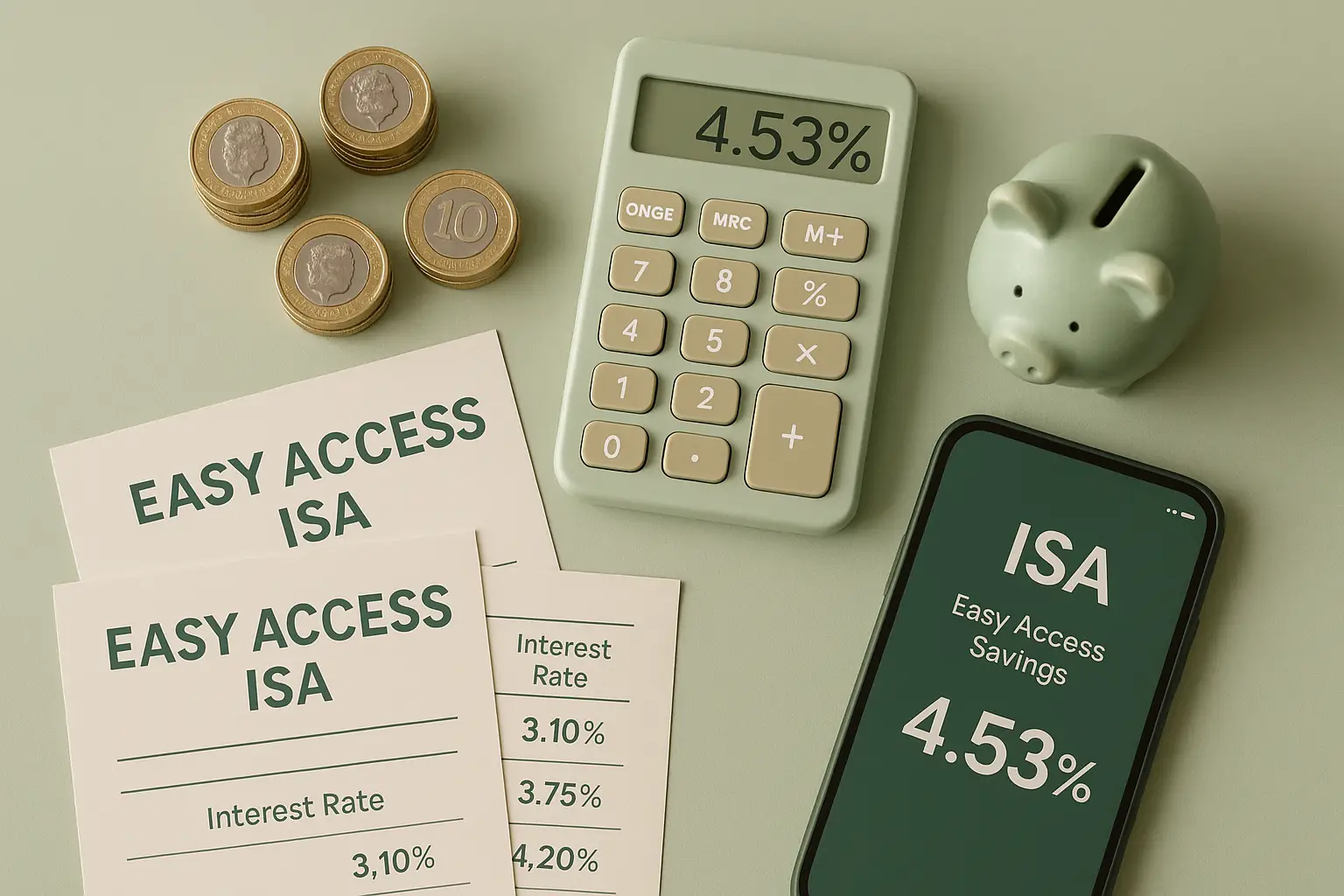
A Junior Cash ISA is essentially a tax-free savings account for children, earning interest similar to a standard savings account. What is a Junior Cash ISA? It provides steady, low-risk growth through interest, with top rates reaching up to 4.4% AER as of October 2025, according to Which?. Ideal for conservative savers, the money remains secure like in a bank account.
Junior Stocks and Shares ISA
For those seeking higher potential returns, a Junior Stocks and Shares ISA invests in funds, shares, or bonds. What is a Junior Stocks and Shares ISA? It offers exposure to the stock market, where values can fluctuate, but historical averages suggest around 5% annual growth over the long term. This type suits parents comfortable with some risk for greater rewards.
Choosing the right type
Consider your child’s age and your risk appetite when deciding. Cash options provide stability, while stocks and shares could multiply savings over 18 years. A mix via a multi-asset fund might balance both.
| Type | Pros | Cons | Current rates/growth (2025) | Risk level |
|---|---|---|---|---|
| Cash | Low risk, steady interest, FSCS protected up to £85,000 | Lower returns, inflation may erode value | Up to 4.4% AER | Low |
| Stocks and Shares | Higher potential growth, diversification options | Market volatility, possible losses | Avg. 5% historical (not guaranteed) | Medium to High |
Benefits of a Junior ISA
The key appeal of a Junior ISA lies in its tax-free status and potential for substantial growth.
Tax advantages
What is a tax-free Junior ISA? All interest and gains are exempt from tax, meaning no HMRC deductions even if the pot exceeds £50,000. This benefit is particularly valuable for larger contributions, preserving more for the child.
Long-term growth potential
Regular contributions can compound significantly; for instance, £50 monthly from birth at 5% average returns could reach £18,000 by age 18, per The Guardian’s 2025 analysis. This harnesses the power of time in the market.
Parental control features
Parents manage the account until 18, choosing investments and monitoring progress. What is the benefit of a Junior ISA? It offers peace of mind and a structured way to teach financial responsibility.
Contribution Limits and Rules
Understanding limits ensures compliance and maximises benefits.
2025/26 annual allowance
The maximum you can put in a Junior ISA each tax year is £9,000 from 6 April 2025, as confirmed by Hargreaves Lansdown. Unused allowance does not roll over, so plan contributions wisely.
Flexible withdrawals
What is a flexible Junior ISA? Some providers allow withdrawals if replaced within the same year, but most JISAs are non-flexible to maintain tax status. Check provider terms.
What happens at age 18
The child gains full access and control, converting it to an adult ISA automatically. Funds must be managed responsibly, as withdrawals then count against adult allowances.
How to Open a Junior ISA
Opening is straightforward and can be done online in minutes.
Steps to apply
First, choose a provider via the Financial Services Register. Provide child’s details, National Insurance number (if over 12), and your ID. Submit online or by post, funding with an initial deposit.
Required documents
You’ll need the child’s birth certificate, your proof of address, and ID. For what age is a Junior ISA, confirm under 18 with residency proof.
Transferring from Child Trust Funds
Existing Child Trust Funds (CTFs) can transfer to a JISA; around 415,000 matured or transferred in 2024-25, per GOV.UK statistics. Contact your CTF provider to initiate, preserving tax benefits. For details, see the GOV.UK Child Trust Fund page.
Potential Risks and Considerations
While beneficial, JISAs have caveats parents should weigh.
Investment volatility
Stocks and shares JISAs can lose value short-term; diversification mitigates but doesn’t eliminate risks. Always review fund performance.
Locked access until 18
What is the maximum contribution to a Junior ISA? Up to £9,000 annually, but funds are inaccessible for emergencies until maturity. Plan for this illiquidity.
Current rates overview
What is the interest rate on a Junior ISA? Cash rates hover at 4.4% AER, but vary; stocks offer no fixed rate but potential upside. Rates change, so monitor via Which?.
For the best Junior ISA options tailored to 2025, explore dedicated comparisons.
Frequently asked questions
How does a Junior ISA work?
A Junior ISA works by allowing tax-free contributions up to £9,000 annually into cash or investment pots managed by parents. Growth occurs without tax until the child turns 18, when control transfers. This setup, governed by HMRC rules, ensures secure, efficient saving from birth to adulthood, with options to switch providers if needed.
What is the difference between a cash and stocks and shares Junior ISA?
A cash Junior ISA offers fixed or variable interest with low risk, like a bank savings account protected by the FSCS. In contrast, a stocks and shares version invests in markets for potentially higher returns but with volatility and possible losses. Parents choose based on timeline; cash suits short-term stability, while stocks benefit long-term growth, as explained on GOV.UK.
Who can open a Junior ISA?
Only parents or guardians with parental responsibility can open a Junior ISA for a UK-resident child under 18. The child themselves cannot apply, and no multiple accounts are allowed. This eligibility, per official guidelines, ensures proper oversight while permitting family contributions from others.
When can my child access the money in a Junior ISA?
Children access Junior ISA funds fully at age 18, when the account converts to an adult ISA. Early access is rare, only for terminal illness cases via provider discretion. This lock-in promotes saving but requires parents to consider family financial planning, as outlined in HMRC regulations.
Can I transfer a Child Trust Fund to a Junior ISA?
Yes, Child Trust Funds can transfer to a Junior ISA without losing tax benefits, boosting the new account’s value. With over 415,000 transfers in recent years, it’s a common move for enhanced growth options. Contact your CTF provider and choose a JISA type; processes typically take weeks, per GOV.UK advice.
What is a Junior Investment ISA?
A Junior Investment ISA refers broadly to the stocks and shares variant, focusing on diversified investments like funds. It differs from cash by aiming for capital appreciation over interest. Suitable for risk-tolerant families, it leverages market returns, but remember past performance isn’t indicative of future results.
Are there any fees for a Junior ISA?
Many Junior ISAs have no opening fees, but investment types may charge annual management fees of 0.5-1%. Cash ISAs often avoid these, focusing on interest. Always review provider terms to ensure costs don’t erode benefits, as highlighted by consumer guides.