
What is a Cash ISA?
A Cash ISA, or Individual Savings Account, is a tax-free savings account available to UK residents. It allows you to save money and earn interest without paying income tax on the returns, making it an ideal option for beginners looking to grow their savings securely. Introduced in 1999 by the UK government, Cash ISAs have become a popular choice, with about one-third of UK adults holding one primarily for cash savings, according to recent reports from Saga Money.
Unlike a regular savings account, a Cash ISA shields your interest from taxation. In a standard savings account, interest above your Personal Savings Allowance—£1,000 for basic-rate taxpayers—may be taxed. With a Cash ISA, all interest is tax-free, regardless of the amount, as long as you stay within the annual limits set by HMRC. This difference is crucial for understanding what is a Cash ISA and how it provides a real advantage in the current economic climate.
The primary tax-free benefit of a Cash ISA is its exemption from income tax on interest earned. For higher-rate taxpayers, whose allowance is only £500, this can save significant amounts over time. Even for those below the threshold, it offers peace of mind and potentially higher net returns, especially when interest rates are rising.
Types of Cash ISAs
Cash ISAs come in several varieties to suit different saving needs and timelines. The main types include easy-access, fixed-rate, flexible, and specialised options like Lifetime and Junior ISAs. Choosing the right type depends on how often you need access to your money and your risk tolerance.
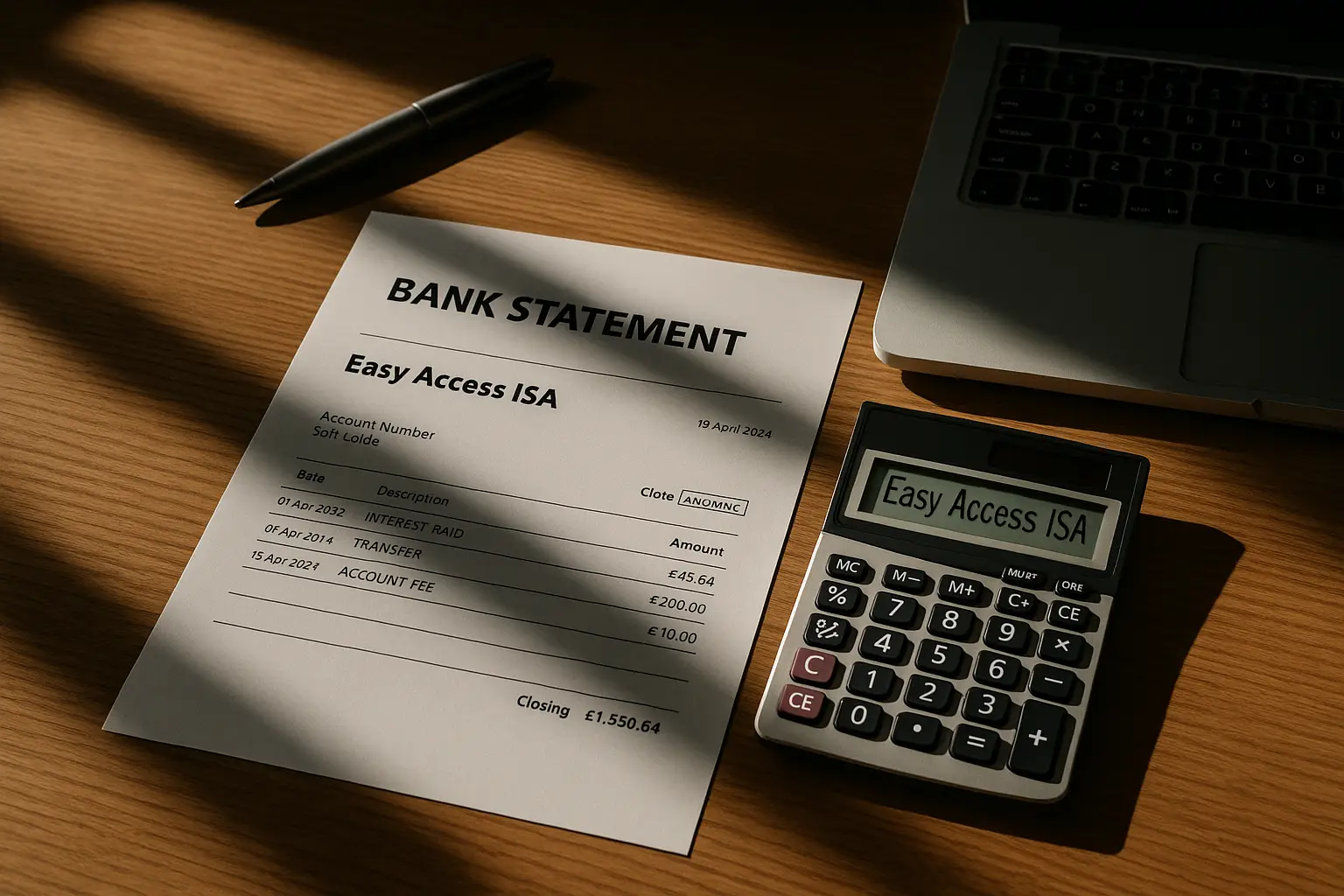
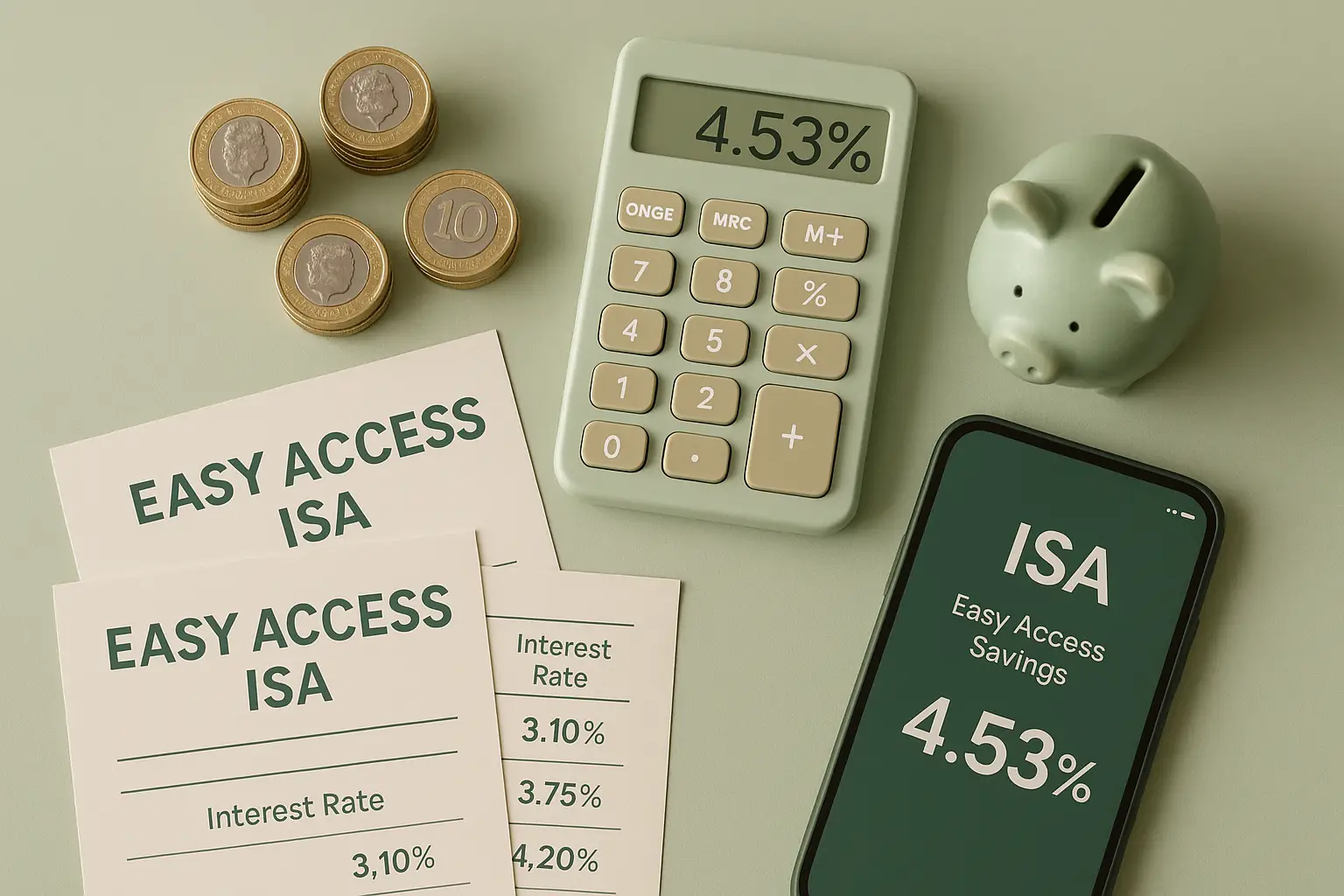
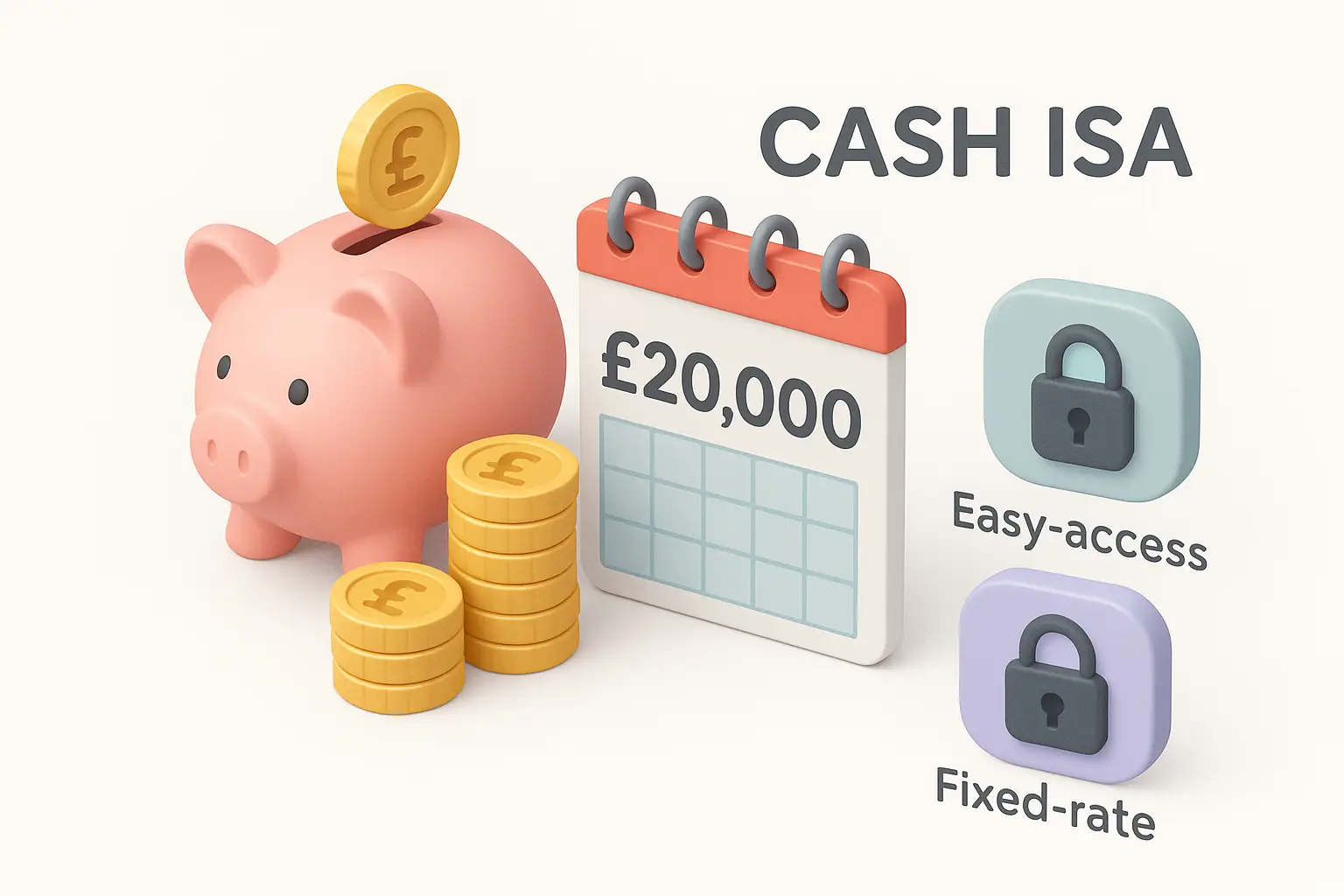
Easy-access Cash ISAs allow withdrawals at any time without penalty, offering variable interest rates that can fluctuate with the market. In contrast, a fixed-rate Cash ISA locks your money for a set period, such as one or five years, in exchange for a guaranteed rate—what is a fixed rate Cash ISA essentially provides stability but limits flexibility. Variable-rate Cash ISAs follow market changes, similar to easy-access but with potentially different terms.
Flexible Cash ISAs let you withdraw and replace money within the same tax year without affecting your annual allowance. What is a flexible Cash ISA? It’s designed for those who might need occasional access but want to maximise contributions. For longer-term goals, a Cash Lifetime ISA (LISA) combines savings with a government bonus for first-time home buyers or retirement, while a Junior Cash ISA is for children under 18, managed by parents.
| Type | Access rules | Typical rates (2025) | Pros | Cons |
|---|---|---|---|---|
| Easy-access | Withdraw anytime | Up to 4.52% AER | Flexibility | Rates can drop |
| Fixed-rate | Locked for term (e.g., 1 year) | 4.00–4.50% AER | Guaranteed returns | Penalties for early withdrawal |
| Flexible | Withdraw and replace same year | Variable, 3.50–4.00% AER | Maximises allowance | Not all providers offer |
| Junior | Locked until age 18 | Up to 4.00% AER | Tax-free for kids | No access until maturity |
Rates sourced from money.co.uk as of October 2025; subject to change.
Cash ISA limits and rules
The annual Cash ISA allowance for 2025/26 is £20,000, meaning you can contribute up to this amount tax-free across all your ISAs. What is the limit on a Cash ISA? This cap resets each tax year on 6 April, and unused allowance doesn’t roll over. There’s no lifetime limit on total holdings, but you must adhere to the yearly maximum to avoid penalties.
Transfers between ISAs are allowed, but only to another Cash ISA or a different type, preserving your tax-free status. You can transfer the full amount or part, but it counts towards your current year’s allowance if done mid-year. Eligibility requires UK residency and being 18 or over for adult ISAs; non-residents may face restrictions.
Benefits and interest rates
The core benefit of a Cash ISA is tax-free growth, protecting your savings from HMRC’s reach. What is the point of a Cash ISA? It maximises returns in a low-tax environment, especially valuable when rates exceed your Personal Savings Allowance. Current top easy-access rates hit 4.52% AER, per MoneySavingExpert, beating many standard accounts after tax.
Interest rates vary by provider and type; what is the interest rate on a Cash ISA depends on market conditions. A good Cash ISA rate in 2025 is above 4%, but always compare. Use a Cash ISA when you want security without tax worries, particularly if you’re a higher-rate taxpayer.
Note speculation about the allowance halving to £10,000 in the 2025 Autumn Budget, as reported by Saga Money, though unconfirmed—check HMRC updates.
How to open a Cash ISA
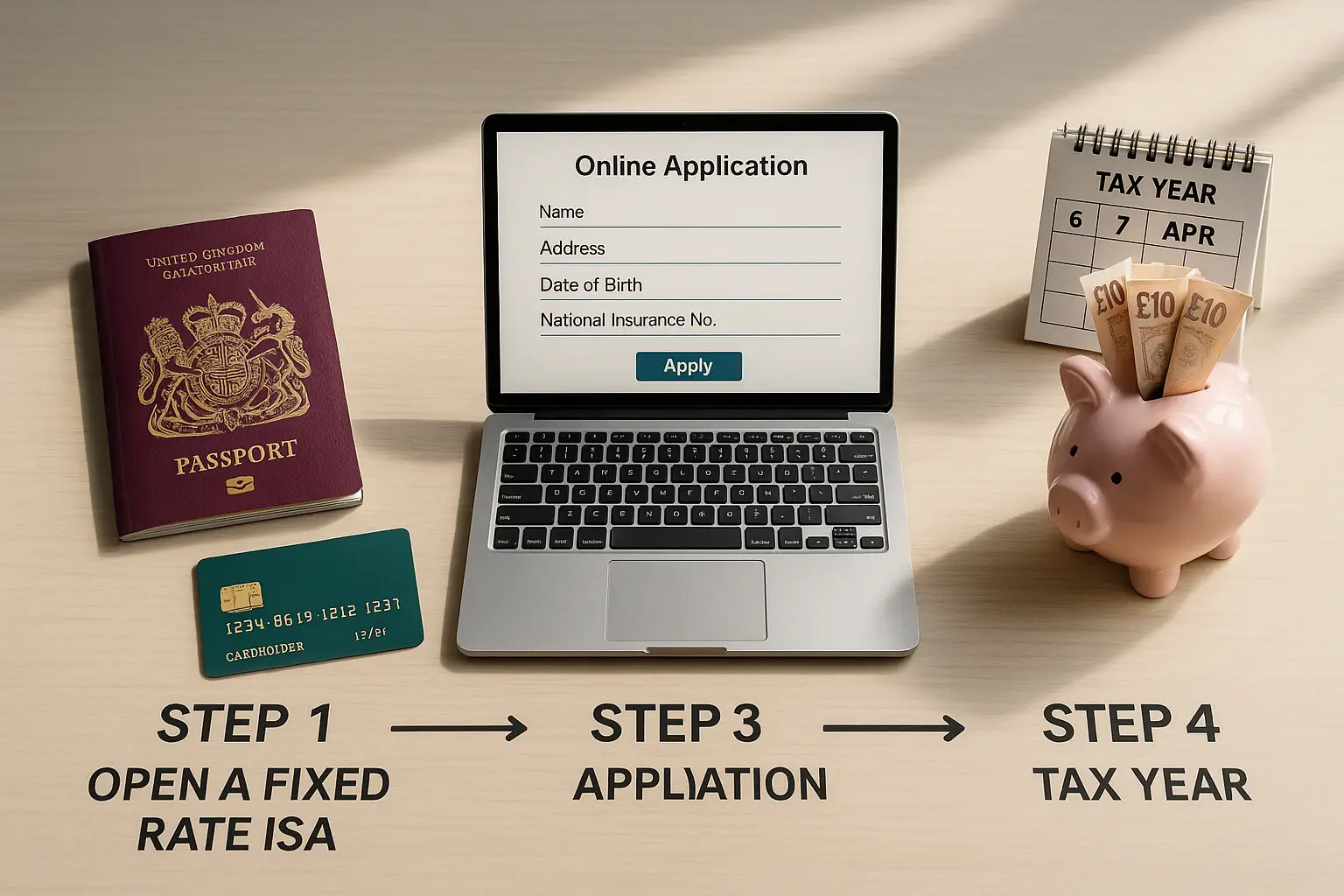
Opening a Cash ISA is straightforward: first, confirm eligibility via HMRC guidelines at gov.uk. Choose a provider like NatWest or Trading 212, considering what is a Cash ISA NatWest or Trading 212 variant offers—many banks and platforms provide online applications.
Steps include: select the type, provide ID and address proof, fund via transfer or debit, and declare it’s your only new ISA for the year. Common pitfalls: exceeding the allowance or forgetting non-UK residents’ rules. What is a Cash ISA and how does it work? Once open, interest accrues daily, paid annually or monthly.
For the best cash isa uk options, review current deals.
Cash ISA vs other savings options
Compared to a regular savings account, a Cash ISA offers tax-free interest but with contribution limits. Regular accounts have no cap but tax applies above allowances, making Cash ISAs better for moderate savers.
Versus a Stocks and Shares ISA, Cash ISAs provide lower risk with guaranteed capital, while stocks offer higher potential returns but volatility. Choose based on your goals: safety first for beginners.
Frequently asked questions
How does a Cash ISA work?
A Cash ISA works by letting you deposit money into a tax-sheltered account where interest grows without tax deductions. Providers calculate interest using AER (Annual Equivalent Rate), which standardises comparisons across accounts. You can open one online or in-branch, and funds remain accessible based on the type—easy-access for immediate use or fixed for locked terms. This structure ensures your savings compound efficiently over time, ideal for UK residents building emergency funds.
What is the difference between a Cash ISA and a regular savings account?
The key difference is taxation: Cash ISA interest is entirely tax-free, while regular accounts tax earnings above the Personal Savings Allowance of £1,000 for basic-rate taxpayers. Regular accounts often have higher instant access but no annual cap, unlike the £20,000 ISA limit. For savers earning over the allowance, a Cash ISA preserves more value, though both are protected by the FSCS up to £85,000 per institution. Beginners should consider tax status when choosing.
Can I transfer money from a previous year’s ISA?
Yes, you can transfer previous years’ ISA funds to a new Cash ISA without using your current allowance, maintaining tax-free status. Contact your old provider to initiate, specifying the amount—full or partial. Transfers to the same type (Cash to Cash) are penalty-free, but switching types may have rules. This flexibility helps optimise rates, but always verify with HMRC to avoid errors.
What are the tax benefits of a Cash ISA?
Cash ISAs exempt all interest from income tax, unlike taxable accounts where basic-rate taxpayers pay 20% on excess over £1,000. Higher-rate (40%) and additional-rate (45%) taxpayers benefit more, avoiding larger liabilities. No capital gains tax applies either, as it’s pure savings. In 2025, with rates at 4.52%, this could save hundreds annually for moderate savers, per HMRC guidelines.
How much can I put in a Cash ISA each year?
The maximum annual allowance is £20,000 for 2025/26, covering all ISA types combined. What is the maximum you can put in a Cash ISA? Split it across Cash, Stocks, or Lifetime ISAs as needed, but unused portions don’t carry over. Exceeding this incurs a 20–45% charge on the excess; track via provider statements for compliance.
What is a flexible Cash ISA and is it worth it?
A flexible Cash ISA allows withdrawals and redeposits within the tax year without impacting your £20,000 allowance, unlike standard rules. It’s useful for irregular savers needing access, such as for emergencies, while still earning tax-free interest up to 4% AER. However, availability is limited to select providers, and rates may be slightly lower. For advanced users, it optimises allowance usage; beginners might prefer simple easy-access first.
What is the limit on a Cash ISA compared to Lifetime ISA?
The Cash ISA allowance is £20,000 yearly, while Lifetime ISAs cap at £4,000 with a 25% government bonus for qualifying uses like homes under £450,000. What is a Cash Lifetime ISA? It’s a hybrid for 18–39-year-olds, but withdrawals for non-qualifying purposes incur a 25% charge. Cash ISAs suit general saving without bonuses, offering more flexibility for diverse goals.