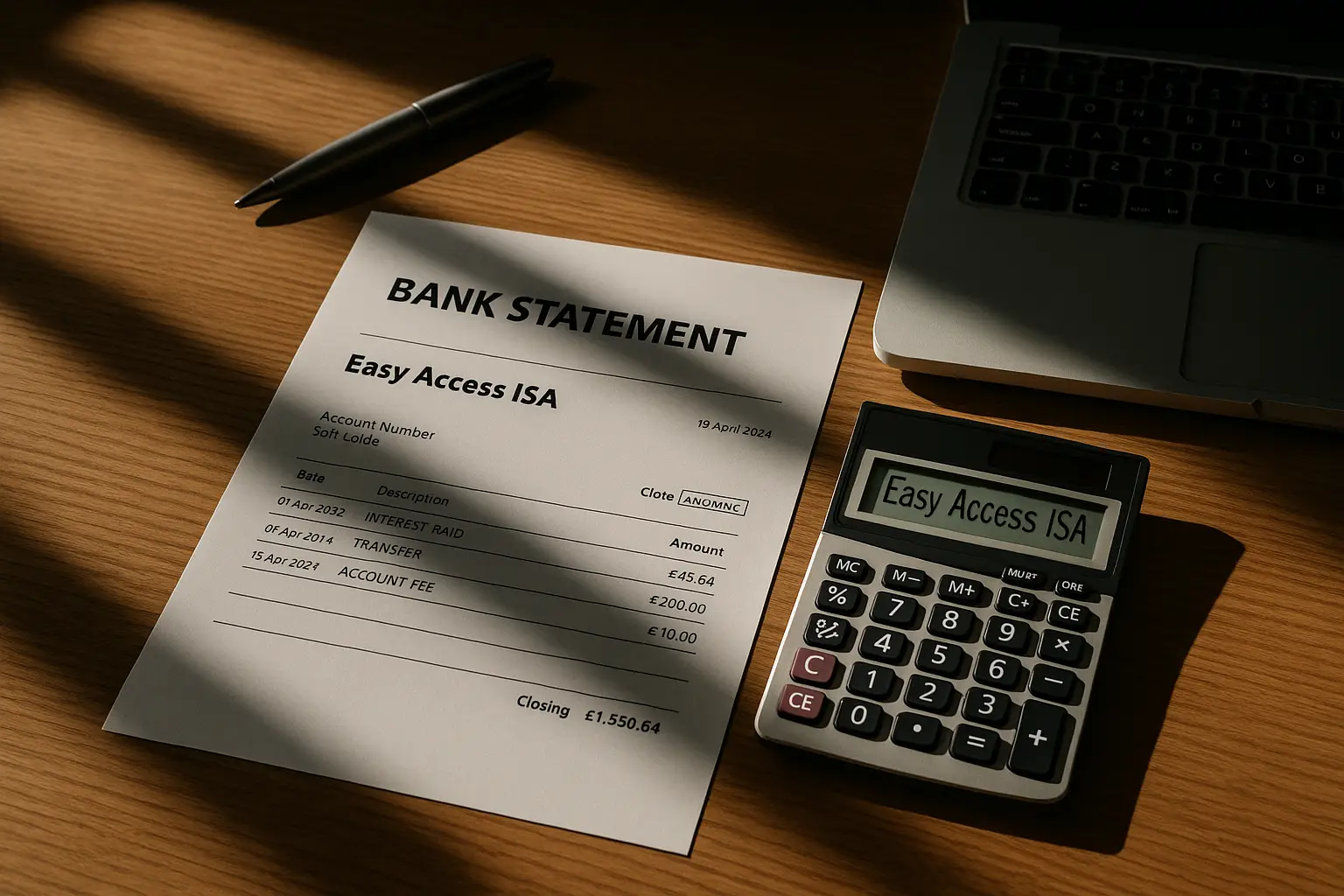

Understanding easy access ISAs
An easy access ISA, short for Individual Savings Account, is a type of tax-free savings product designed for flexibility, allowing you to deposit money and withdraw it whenever needed without penalties. As a beginner, you might wonder what is an easy access ISA exactly—it’s essentially a cash ISA where your savings earn interest that is shielded from UK income tax, making it ideal for those building an emergency fund or saving for short-term goals. Key features include variable interest rates, which can change over time, and the ability to add or remove funds freely within the annual allowance.
Definition and key features
At its core, an easy access cash ISA combines the tax advantages of an ISA with the convenience of instant access to your money. Unlike more restrictive savings options, it lets you manage your funds dynamically without losing interest or facing charges. The Annual Equivalent Rate (AER) represents the interest you’ll earn, calculated as if paid yearly, and it’s a standard way providers quote returns to make comparisons straightforward.
How it differs from other savings accounts
Regular savings accounts offer interest but can be taxable if you exceed the Personal Savings Allowance—£1,000 for basic rate taxpayers—which an easy access ISA avoids entirely by keeping all growth tax-free. Fixed-rate ISAs, another ISA variant, lock your money for a set period in exchange for a guaranteed rate, but easy access versions prioritise liquidity over higher potential yields. Compared to non-ISA easy access accounts, the ISA wrapper provides that crucial tax shield, especially beneficial if you’re a higher-rate taxpayer.
Eligibility and setup process
To qualify for an easy access ISA, you must be a UK resident aged 18 or over, as per HMRC rules. The tax year runs from 6 April to 5 April, so plan your contributions accordingly to maximise your allowance.
Setting one up is straightforward: choose a provider, open an account online or in-branch, and transfer funds or subscribe with new money. Many banks like NatWest offer simple online applications—visit their ISA overview for details. Always confirm your National Insurance number and identity for verification.
Tip: Before opening, check if you have unused allowance from the previous tax year to boost your tax-free savings immediately.
Benefits of an easy access ISA
The primary appeal of an easy access ISA lies in its blend of security, tax efficiency, and accessibility, helping UK savers protect their money from inflation and taxes while keeping options open.
Tax-free interest explained
Interest in an easy access ISA is completely tax-free, meaning you keep every penny earned, regardless of your income tax band. For context, basic rate taxpayers get £1,000 tax-free interest outside ISAs, but exceeding that incurs 20% tax—ISAs eliminate this risk entirely, as outlined by MoneySavingExpert. This benefit shines for moderate savers, with about one-third of UK adults already using ISAs for cash savings.
Flexibility for withdrawals
You can withdraw funds from an easy access ISA anytime without penalty, unlike fixed-term bonds that charge for early access. This makes it perfect for unexpected expenses, though some providers may limit free withdrawals per year—always review terms. As explained by the Yorkshire Building Society, this penalty-free access sets it apart for everyday financial planning.
Current rates and returns
As of October 2025, top easy access cash ISA rates reach up to 4.51% AER, varying by provider and influenced by the Bank of England base rate. Returns are lower than stocks but safer, with your capital protected up to £85,000 via the Financial Services Compensation Scheme (FSCS). For the latest comparisons, see Moneyfacts.
| Provider | AER (%) | Minimum Deposit | Withdrawal Terms |
|---|---|---|---|
| Shawbrook Bank | 4.51 | £1 | Unlimited |
| Atom Bank | 4.50 | £0 | Unlimited |
| Trading 212 | 4.40 | £1 | Instant access |
| Nationwide | 4.00 | £1 | Unlimited |
| RBS | 3.50 | £1 | Flexible |
How to choose and open an easy access ISA
Selecting the right easy access ISA involves balancing rate, fees, and access needs—start by assessing your savings goals.
Comparing providers and rates
Look beyond headline rates; consider AER, minimum balances, and FSCS protection. Use tools from sites like MoneySavingExpert to filter options without bias. To find the best easy access ISA, prioritise those with competitive variable rates and no notice periods.
Transferring existing savings
You can transfer previous ISA savings to a new easy access one without affecting your allowance, preserving tax-free status. Contact your old provider to initiate, ensuring the full amount moves tax-free. This is useful if rates on your current ISA have dropped.
Potential drawbacks and risks
Variable rates can fall, reducing returns, especially in falling interest environments. Inflation might erode real value if rates lag, and while FSCS protects deposits, it’s not a guarantee against market shifts. Diversify across ISAs if using your full allowance.
Easy access ISAs in the current market
With economic uncertainty, easy access ISAs offer a stable haven amid volatile rates.
Latest allowance and rules
The ISA allowance remains £20,000 for the 2025/26 tax year, covering all ISA types including cash, as confirmed by MoneySavingExpert based on HMRC guidelines. Unused allowance doesn’t roll over, so act before 5 April. Rules emphasise one ISA per type per year, but multiple providers are allowed within limits.
Impact of economic changes
Base rate cuts could lower AERs, but ISAs still outperform taxable accounts for tax-conscious savers. Post-Budget stability in 2025 supports their role in diversified portfolios, though monitor for policy shifts via official HMRC sources.
Frequently asked questions
How does an easy access ISA work?
An easy access ISA works by letting you save up to £20,000 annually in a tax-free wrapper, where interest compounds without tax deductions. Deposits earn variable interest based on the provider’s AER, and you can add or withdraw funds freely. This structure suits beginners building flexible savings, but remember rates can fluctuate with market conditions, so it’s not a fixed return like bonds.
What is the difference between easy access and fixed rate ISA?
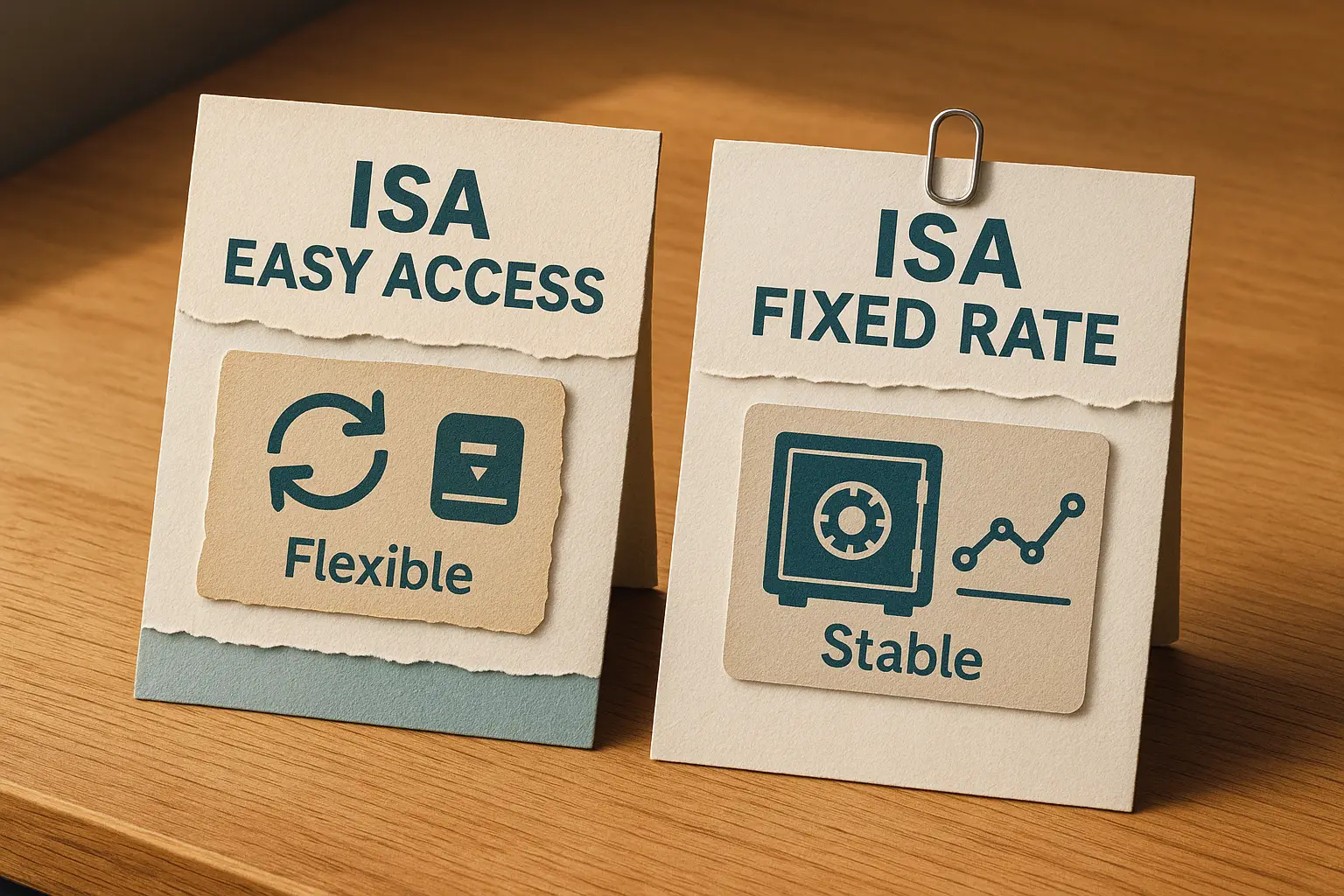
Easy access ISAs offer penalty-free withdrawals and variable rates that can change, ideal for liquidity needs. Fixed rate ISAs lock funds for 1-5 years at a set AER for potentially higher but guaranteed returns. Choose easy access if flexibility matters more than yield, especially in uncertain economies where base rates might drop.
Can I withdraw money from an easy access ISA anytime?
Yes, most easy access ISAs allow withdrawals anytime without penalties, though some cap free transactions yearly. This differs from notice accounts requiring advance warning. For emergencies, confirm the provider’s exact terms to avoid surprises, ensuring your savings remain accessible as intended.
What is the ISA allowance for 2025/26?
The allowance is £20,000 for the 2025/26 tax year, applicable across all ISAs like cash or stocks. It resets on 6 April, and contributions count towards this limit regardless of withdrawals. Exceeding it means the excess goes into taxable savings, so track usage via HMRC to maximise tax-free growth.
Are easy access ISAs tax-free?
Yes, all interest and gains in easy access ISAs are tax-free, bypassing the Personal Savings Allowance entirely. This benefits higher earners most, as outside ISAs, interest over £500 (higher rate) is taxed at 40%. As a UK resident, this wrapper protects returns, making it a cornerstone for tax-efficient saving strategies.
What happens if rates change on my easy access ISA?
If rates drop, your AER decreases, potentially reducing returns, but you can transfer to a better provider without losing tax-free status. Conversely, rises boost earnings automatically. Monitor via comparison sites and switch strategically, but watch for any transfer fees to maintain overall flexibility.
For more on opening steps:
- Verify eligibility as a UK resident over 18.
- Research providers for current AERs.
- Apply online with ID and NI number.
- Deposit funds or transfer existing ISAs.
- Confirm activation and start saving.