

Understanding stocks and shares ISA fees
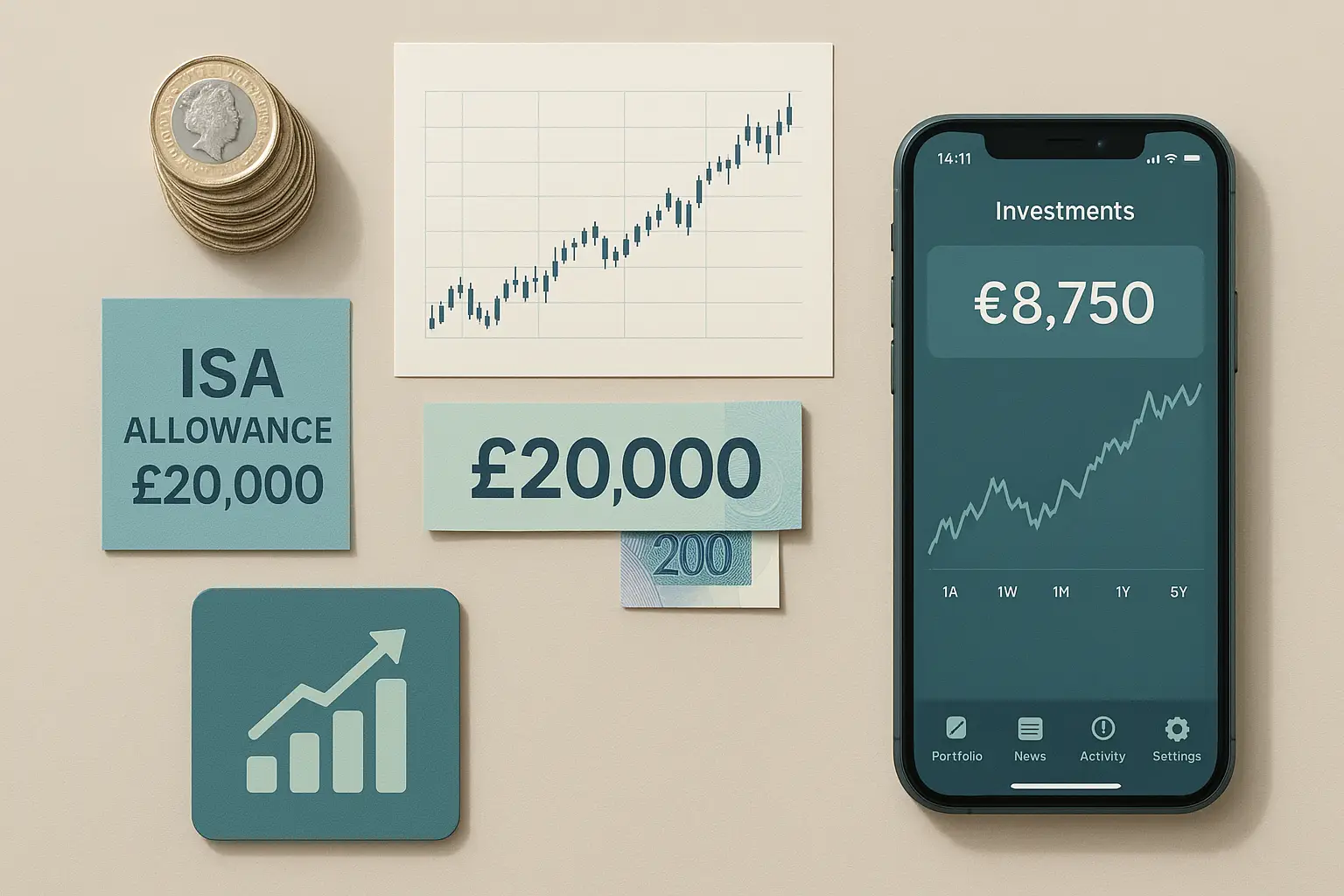
A stocks and shares ISA, or Individual Savings Account, allows UK investors to hold investments tax-free up to the annual allowance. The key to maximising returns lies in a thorough stocks and shares ISA fees comparison, as even small percentage differences can erode gains over time. For the 2025/26 tax year, the allowance stands at £20,000, but fees from platforms can significantly impact how much of that you keep.
Types of fees to watch
Platform fees, often a percentage of your portfolio value (typically 0.25% to 0.45%), cover account management and custody. Trading commissions apply per buy or sell, while dealing charges might add £5-£12 per trade. Hidden costs like foreign exchange fees for international shares or exit fees when switching providers can add up; always review the full terms.
How fees impact returns
Assuming a 5% annual return on a £10,000 investment, a 0.45% fee could cost £225 over five years, compared to just £125 at 0.25%. This compounding effect highlights why a stocks and shares ISA fees comparison UK is essential—lower fees directly boost net returns. According to data from money.co.uk, average fees range from 0.25% to 0.45%, with zero-fee options like Trading 212 preserving more of your growth.
UK tax year basics
The tax year runs from 6 April to 5 April, and your £20,000 allowance resets then. You can split it across ISAs, but fees apply per provider. For detailed rules, see the HMRC technical note on Individual Savings Accounts.
Top providers compared
When conducting a stocks and shares ISA fees comparison, focus on transparent platforms like AJ Bell and Trading 212, which offer competitive rates for UK investors. This section breaks down low-fee, mid-range, and premium options based on 2025 data, helping you identify savings.
Low-fee options like Trading 212
Trading 212 stands out with 0% platform fees and commission-free trading, ideal for frequent traders. Minimum investments start at £1, with no custody fees. It’s praised for simplicity, though app-based access suits tech-savvy users; details at Trading 212 Invest.
Mid-range platforms
AJ Bell charges 0.25% platform fee, capped at £3.50 monthly for shares, making it cost-effective for portfolios over £42,000. Trading commissions are £9.95 for occasional deals. Interactive Investor offers flat £4.99 monthly, suiting smaller pots.
Premium services
Hargreaves Lansdown levies 0.45% up to £250,000, with £11.95 per trade, but provides extensive research tools. It’s best for larger, hands-off investors needing advice.
The table below summarises key providers for your stocks and shares ISA fees comparison:
| Provider | Platform Fee (%) | Trading Commission | Min Investment | Fee Cap |
|---|---|---|---|---|
| Trading 212 | 0% | £0 | £1 | None |
| AJ Bell | 0.25% | £9.95 | £500 | £3.50/month (shares) |
| Interactive Investor | Flat £4.99/month | £3.99 | £25 | Fixed |
| Hargreaves Lansdown | 0.45% | £11.95 | £100 | £200/year max tier |
Data sourced from MoneySavingExpert and provider sites, accessed October 2025.
Junior stocks and shares ISA fees
Junior ISAs mirror adult versions but for children under 18, with contributions up to £9,000 annually tax-free until maturity. A junior stocks and shares ISA fees comparison reveals similar structures but often lower minimums, aiding long-term savings for parents.
Key differences from adult ISAs
Fees are comparable, averaging 0.25%-0.45%, but juniors have no withdrawal access until age 18, reducing short-term costs. Minimums drop to £50-£100 versus £500+ for adults. Per Forbes Advisor UK, structures align but emphasise growth over liquidity.
Best junior providers
AJ Bell offers 0.25% with £100 minimum, while Hargreaves Lansdown charges 0.45% but includes family perks. Trading 212 provides 0% fees, starting at £1, perfect for small gifts.
Long-term cost savings
Over 18 years, a 0.2% fee difference on £9,000 annual contributions could save £5,000+ in fees, assuming 5% returns. Early low-fee choices compound benefits.
Tips to minimise ISA fees
Prioritise platforms with tiered or capped fees to cut costs as your portfolio grows. Regular reviews via a stocks and shares ISA fees comparison can uncover better deals.
Choosing the right platform
Match fees to your trading frequency: zero-commission for active, flat for passive. Explore best stocks and shares isa providers uk for updates. Only 3.9 million used stocks and shares ISAs in 2021/22, per HMRC data cited on X—don’t miss out due to high fees.
Avoiding hidden charges
Watch for FX fees (0.5%-1.5%) on global stocks and inactivity charges (£10-£25/year). Read small print; many like AJ Bell waive them at AJ Bell charges page.
When to switch providers
Switch if fees exceed 0.45% or new offers beat yours—most allow free transfers. Check exit fees (£25-£100) first.
Frequently asked questions
What are the average stocks and shares ISA fees in the UK?
Average platform fees for stocks and shares ISAs range from 0.25% to 0.45% annually, according to 2025 data from money.co.uk. These cover custody and administration, but vary by provider and portfolio size. For a fair stocks and shares ISA fees comparison UK, factor in trading commissions (£5-£12) and potential caps to estimate total costs accurately.
Which provider has the lowest fees for a stocks and shares ISA?
Trading 212 offers 0% platform fees and commission-free trading, making it the lowest for most users in 2025. AJ Bell follows closely at 0.25% with monthly caps. Experts recommend these for cost-conscious investors, but verify suitability via provider tools.
How much does a stocks and shares ISA cost?
Costs depend on the platform but typically include 0.25%-0.45% annual fees plus per-trade charges. On a £20,000 pot, expect £50-£90 yearly from platforms alone. Use a stocks and shares ISA fees comparison to project: low-fee options keep under £50, preserving tax-free growth.
Are there hidden fees in stocks and shares ISAs?
Yes, common hidden fees include foreign exchange markups (up to 1.5%), inactivity charges (£10-£25), and exit penalties (£25-£100). Custody fees for funds can add 0.1%-0.2%. Always scrutinise terms; transparent providers like those on MoneySavingExpert list them upfront to avoid surprises.
What’s the difference in fees for junior vs adult ISAs?
Junior stocks and shares ISA fees mirror adults at 0.25%-0.45%, but often feature lower minimums (£50 vs £500) and no withdrawal fees due to lock-in until 18. A junior stocks and shares ISA fees comparison shows similar structures, but long-term compounding amplifies savings from low-fee choices like AJ Bell.
How to compare junior stocks and shares ISA fees comparison for 2025?
Start with tables from Forbes or money.co.uk, focusing on platform percentages, commissions, and mins. Calculate impacts using ISA Calculator tools assuming 5% returns. For parents, prioritise zero-fee options like Trading 212 to maximise child’s future pot without early costs.