

Lifetime ISA vs standard ISA: which is right for you?
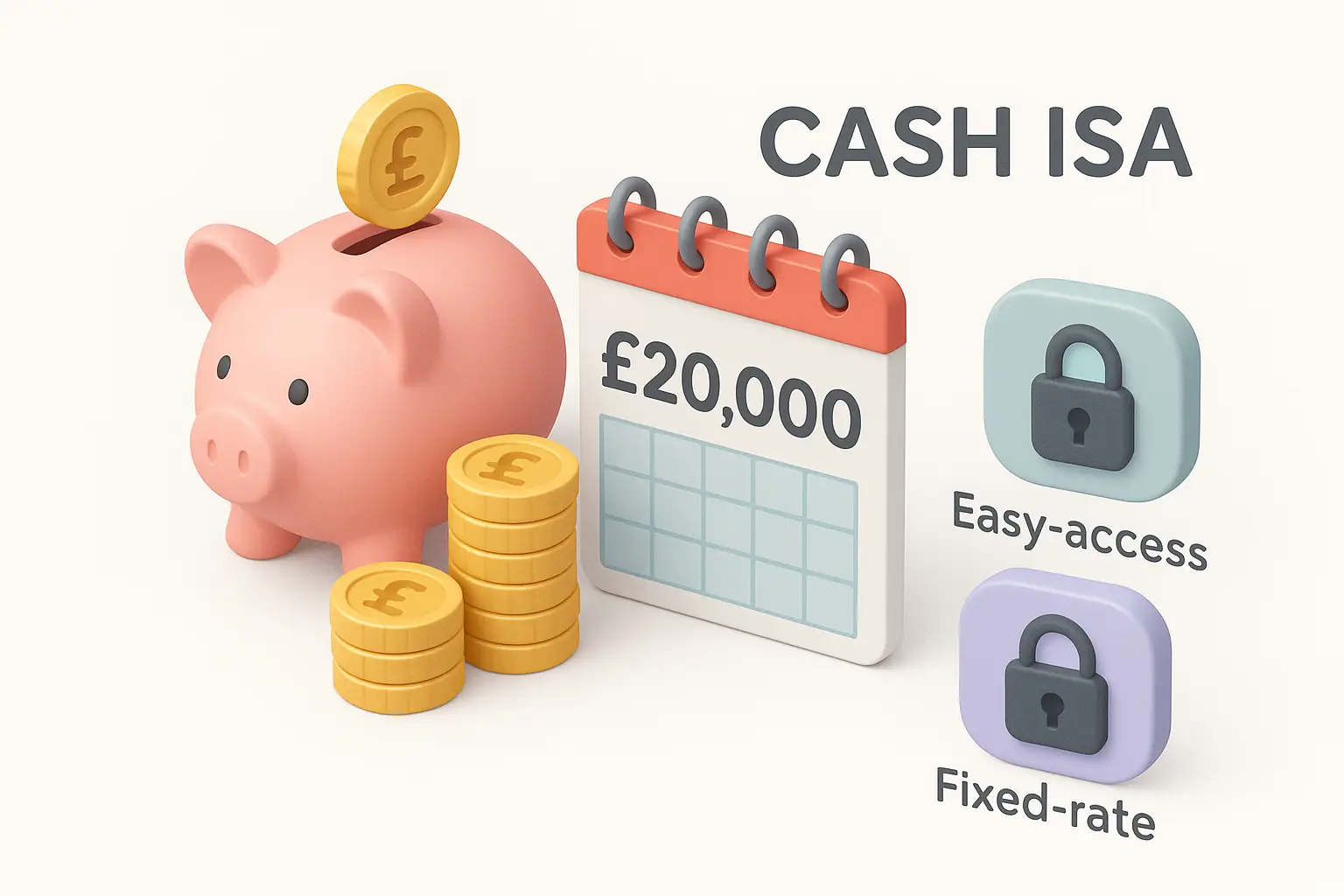
When deciding between a lifetime ISA vs standard ISA, the key choice hinges on your goals: a standard ISA offers flexibility for general savings or investments, while a lifetime ISA (LISA) provides a government bonus for first-time homebuyers or retirement. Standard ISAs come in cash or stocks and shares varieties, allowing up to £20,000 annual contributions tax-free, but without extras like bonuses. A LISA, available only to those aged 18-39, caps at £4,000 yearly within that limit, boosting your savings with a 25% government top-up—up to £1,000 annually—for buying a first home under £450,000 or after age 60.
For many savers in the consideration stage, a lifetime ISA vs ISA comparison reveals that if you’re saving for a house deposit or long-term retirement, the LISA’s incentive makes it superior. However, standard ISAs suit broader needs due to easier access and higher limits. In 2024/25, over 87,250 LISA holders used withdrawals for first homes, averaging an 8% rise year-on-year, showing its popularity for property goals.
What is a standard ISA?
A standard ISA, or Individual Savings Account, is a tax-efficient wrapper for cash savings or investments. You can contribute up to £20,000 per tax year (6 April to 5 April) across cash ISAs, stocks and shares ISAs, or innovative finance ISAs, with all growth and withdrawals tax-free. Cash ISAs offer low-risk interest, often around 4-5% AER in 2025, while stocks and shares ISAs allow investing in funds or shares for potential higher returns but with market risk.
Unlike a lifetime ISA vs cash ISA or stocks and shares ISA, standard options have no age restrictions or penalties for early use, making them ideal for short-term goals. For example, if you’re over 40, a standard ISA avoids LISA eligibility rules.
What is a lifetime ISA?
A lifetime ISA combines savings and investment elements, launched in 2017 to help younger people save for homes or retirement. Eligible from age 18 to 39, you contribute up to £4,000 yearly, receiving a 25% bonus—£250 on £1,000 saved—maximising at £1,000 on the full amount. It can be cash-based for stability or stocks and shares for growth, all within the £20,000 total ISA allowance.
Withdrawals are penalty-free for first homes up to £450,000 or post-60 for retirement; otherwise, a 25% charge applies to deter misuse. As per GOV.UK rules, this structure encourages disciplined saving.
Key differences: contribution limits and bonuses
The core distinction in lifetime ISA vs ISA lies in incentives: standard ISAs have no bonus, just tax relief, while LISAs add 25% government top-up, effectively giving £1,250 from £1,000 contributed. Both fall under the £20,000 cap, but LISA’s £4,000 limit suits targeted savers. For comparison:
| Feature | Standard ISA | Lifetime ISA |
|---|---|---|
| Annual Limit | £20,000 | £4,000 (within £20,000) |
| Bonus | None | 25% up to £1,000 |
| Eligibility | All UK residents 18+ | Aged 18-39 at opening |
| Top Rates (2025) | Cash: 5% AER; Stocks: Variable | Cash: 4.30% AER |
Data from Moneyfactscompare shows LISA cash rates at 4.30% AER in October 2025, competitive but below some standard cash ISAs.
Withdrawal rules and penalties
Standard ISAs allow penalty-free withdrawals anytime, offering liquidity for emergencies. In contrast, a lifetime ISA vs standard ISA penalty of 25% on unauthorised withdrawals—matching the bonus—can erode gains; for instance, £5,000 withdrawn early loses £1,250. Exceptions apply for first homes or age 60, making LISA better for committed goals.
Lifetime ISA vs Help to Buy ISA
The Help to Buy ISA closed to new savers in 2019, but lifetime ISA vs Help to Buy ISA remains relevant for transfers. Both target first-home deposits with bonuses—15% on HTB up to £3,000 yearly vs 25% on LISA—but LISA covers pricier homes (£450,000 vs £250,000) and includes retirement use. Existing HTB holders can transfer for continued bonuses, as explained by Which?.
- Pros of LISA over HTB: Higher bonus rate, dual purpose (home/retirement), higher property limit.
- Cons: 25% penalty risk, age limit.
Tip: Choosing between cash and stocks Lifetime ISA
If risk-averse, opt for cash lifetime ISA vs stocks and shares lifetime ISA for guaranteed interest around 4.30% AER. For growth, stocks and shares suit long horizons, potentially outpacing inflation but with volatility. Assess your timeline: home in 5 years? Go cash.
Lifetime ISA vs SIPP or pension
For retirement, lifetime ISA vs pension or SIPP comparison shows pensions offer superior tax relief—up to 45% for higher earners vs LISA’s 25% bonus—plus employer contributions. SIPPs (Self-Invested Personal Pensions) allow broader investments, but funds are locked until 55 (rising to 57). LISAs provide flexibility for under-60s, with £1bn net Treasury gain since 2021 per The Intermediary. Use LISA for home savings, SIPP for pure retirement.
Explore best lifetime ISA options, or learn what is a lifetime ISA and lifetime ISA rules and regulations.
Frequently asked questions
Is a Lifetime ISA better than a stocks and shares ISA?
A Lifetime ISA can outperform a stocks and shares ISA if you’re eligible and saving for a first home or retirement, thanks to the 25% government bonus that boosts returns instantly. Both allow tax-free growth on investments, but the LISA’s penalty for non-qualifying withdrawals adds risk, unlike the flexible stocks and shares ISA. For general investing without specific goals, a standard stocks and shares ISA is preferable due to higher contribution limits and no age restrictions.
What is the difference between a Lifetime ISA and a Help to Buy ISA?
The main difference in lifetime ISA vs Help to Buy ISA is the bonus rate and scope: LISA offers 25% on up to £4,000 annually for homes up to £450,000 or retirement, while Help to Buy provided 15% on £2,400 for properties under £250,000, now closed to new entrants. You can transfer Help to Buy funds to a LISA to keep earning bonuses under updated rules. This makes LISA a more versatile successor for first-time buyers in 2025.
Can you have a Lifetime ISA and a regular ISA?
Yes, you can hold both a Lifetime ISA and a regular ISA, as the LISA counts towards your £20,000 annual ISA allowance—£4,000 to LISA leaves £16,000 for others. This combination allows targeted bonus savings via LISA alongside flexible standard ISAs for additional goals. However, ensure contributions align with your overall financial plan to avoid overcommitting.
Is a Lifetime ISA worth it for retirement?
A Lifetime ISA is worth it for retirement if you’re under 40 and value the 25% bonus alongside tax-free growth, especially in a stocks and shares version for potential higher returns. Compared to pensions, it offers earlier access from age 60 without 55% tax on lump sums, but lacks higher-rate tax relief. For many, it’s a strong supplement to pensions, with average first-home withdrawals at £11,500 showing its dual utility.
How much bonus do you get on a Lifetime ISA?
You receive a 25% government bonus on contributions up to £4,000 per year, maximising at £1,000—claimed after your first payment each tax year. This applies to both cash and stocks and shares LISAs, added within 30 days of contribution. Bonuses have totalled significant gains, with projections to £4bn Treasury contribution by 2040, underscoring the incentive’s value for eligible savers.
What happens if you withdraw from a Lifetime ISA early?
Early withdrawal from a Lifetime ISA incurs a 25% charge on the entire amount (your contributions plus bonus and growth), effectively clawing back the bonus and more if growth is low. Exceptions include buying your first home under £450,000 or after age 60; otherwise, it’s designed to discourage misuse. Always check MoneySavingExpert for latest rules before deciding.
Lifetime ISA vs pension: which is better for tax relief?
For tax relief, a pension or SIPP edges out a Lifetime ISA, offering up to 45% relief for higher-rate taxpayers on contributions versus the LISA’s flat 25% bonus. Pensions provide upfront deductions from taxable income, amplifying savings more for high earners, while LISA bonuses are added post-contribution. If retirement is your sole focus, combine both: use SIPP for relief and LISA for bonus flexibility, especially under age 50.